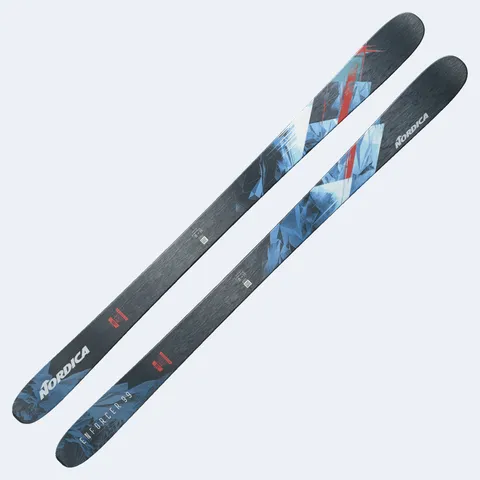
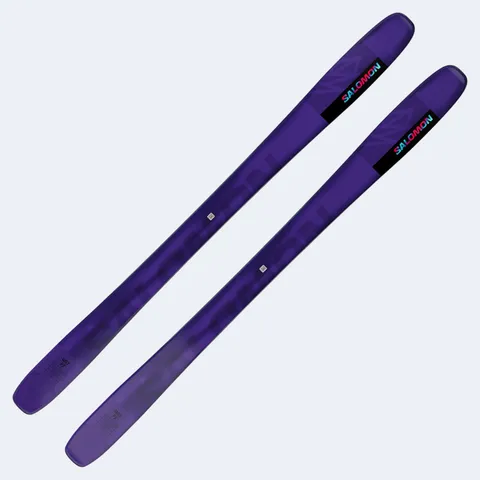
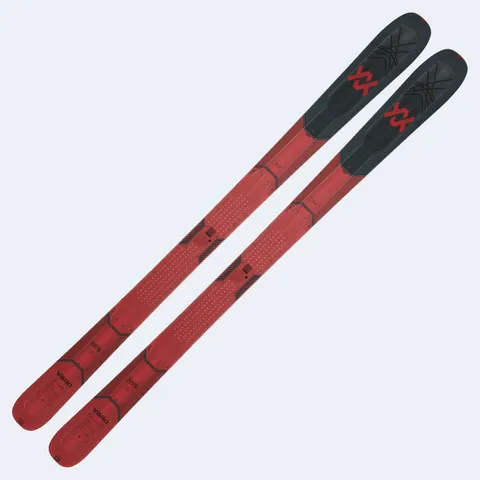
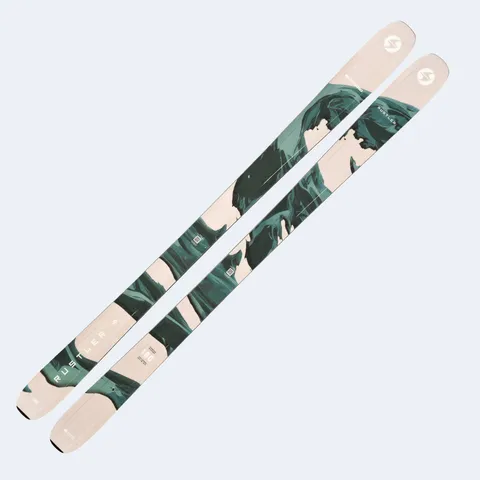
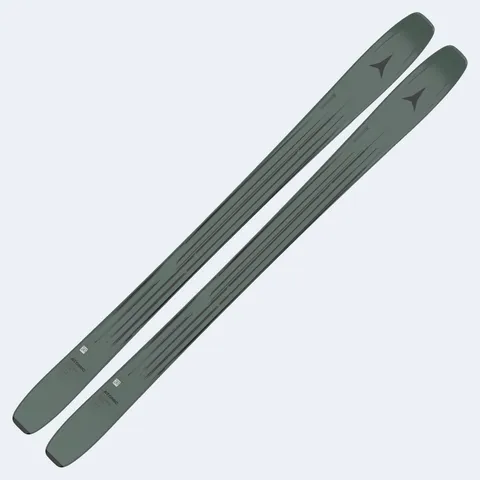
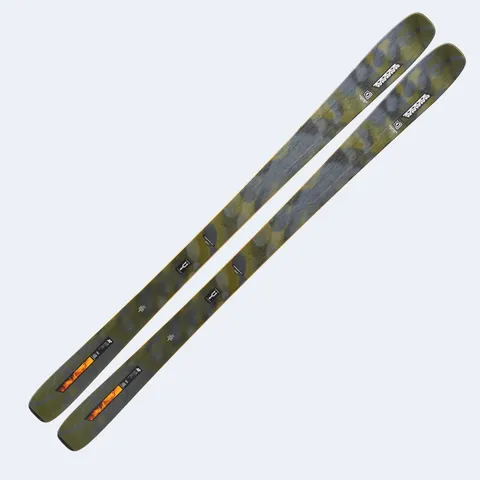
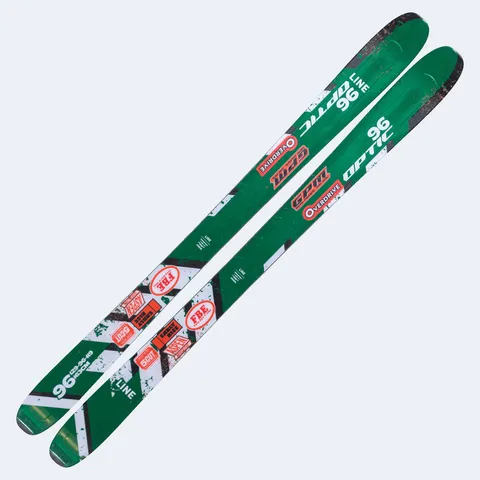
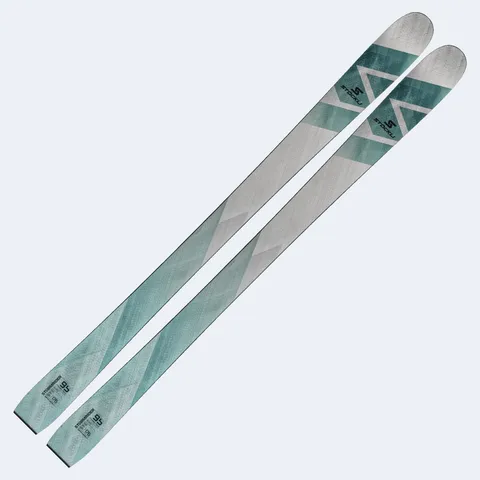
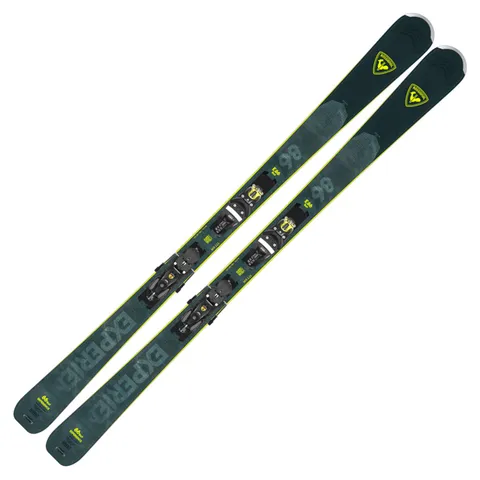
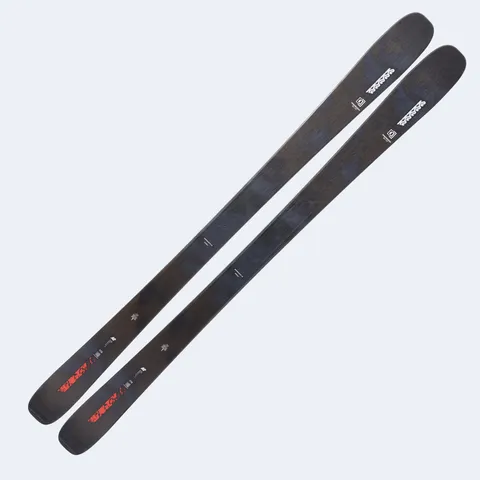
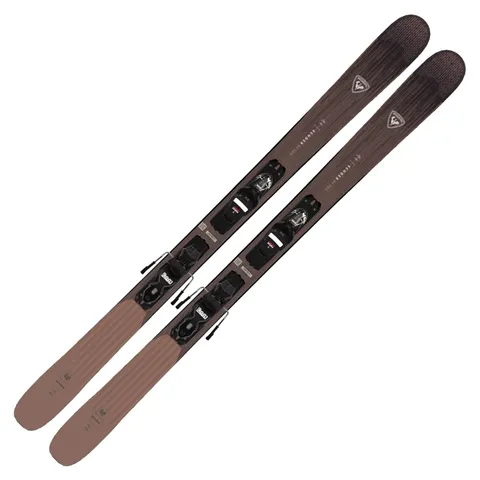
An all-mountain ski is the one pair most skiers should own: a do-everything plank in the 86–100mm waist range that carves a groomer in the morning, handles chopped-up crud by midday, and still floats through the side-of-trail stash after a storm. The category has never been deeper than it is for the 2025–26 season. Brands have refined their flagship metal-laminate chargers (Nordica's Enforcer, Völkl's Mantra, Blizzard's Rustler) while also quietly making the friendlier, lighter models genuinely good rather than just cheap. That means a strong intermediate and a hard-charging expert can shop the same category and both come away happy, if they know where to look.
The trade-off that defines this guide is width and stiffness versus forgiveness and price. Skinnier, lighter, single-sheet-metal skis (around 85–90mm) are easier to turn, cheaper, and ideal for East Coast and Midwest hardpack. Wider, stiffer, double-titanal skis (95–100mm) demand more from the driver but reward a strong skier with bottomless stability and float out West. We've spanned that whole spectrum on purpose, because the right answer depends far more on where and how you ski than on which model won a magazine shootout.
Prices below are realistic current US street prices for the bare ski (flat, no binding) unless noted; budget picks are often sold as ski-plus-binding 'system' packages, which is part of what makes them a value. Sizing matters as much as model, most adults land somewhere between chin and forehead height, so buy from a shop with a good return or demo policy whenever you can.