Skip to content
Top-rated outdoor gear, ranked

Best Of 2026

Best Ski & Snowboard Base Layers of 2026

Our top 11 picks, independently ranked. Budget to premium.

Updated

A base layer is the piece of ski and snowboard gear you think about least and feel the most. It sits against your skin all day, moves sweat off your body during a hard run or a hike to the ridge, then has to keep you warm on a windy chairlift twenty minutes later. Get it wrong and the expensive jacket and pants over it can't help: damp cotton or cheap fleece turns clammy, then cold, by lunch.

The market splits into three real price bands, and online listings make it hard to tell what you get at each one. Under about $65 you get polyester waffle knits and some surprisingly good budget merino. These are warm and fast drying, but they hold odor or wear out sooner. The $80 to $110 band brings refined synthetics and merino hybrids that fit better, last for years and handle a wider temperature range. Above that you pay for premium 100% merino, body-mapped knits built for ski touring, or heavyweight fleece-lined tops that work almost like a midlayer.

This guide ranks 11 tops and one-piece suits that skiers and snowboarders are actually buying for the 2026 season, from a $39 workwear crew to a $150 Arc'teryx. We weighted resort use (lift rides, cold mornings, all-day wear), and we flag the picks that suit backcountry touring and the ones that suit riders who run cold.

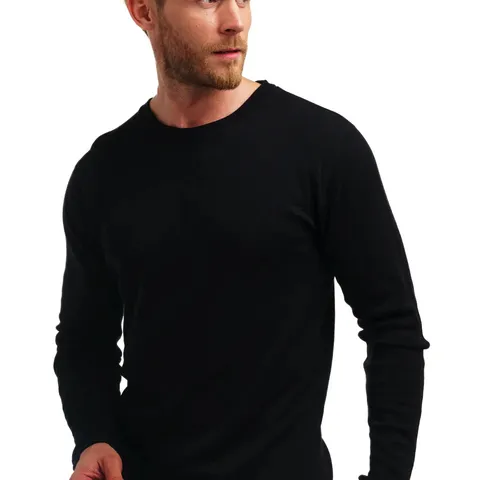
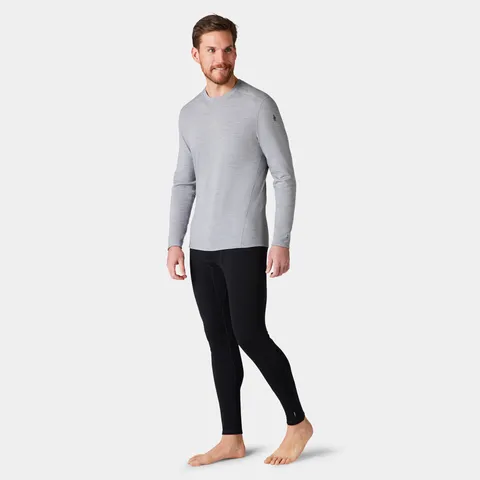
Classic Thermal Merino Base Layer Crew
Best OverallPremium

1. Classic Thermal Merino Base Layer Crew

Smartwool

$80–$125

A 250 g/m2 100% merino interlock knit that keeps you warm on frigid chairlifts, stays comfortable when damp, and resists odor through a multi-day ski trip. It ranks at or near the top of nearly every long-term test, and it is often discounted well below list price.

Best for: Resort skiers and riders who want one do-everything winter top

100% merino stays warm even when sweaty · Excellent odor resistance for back-to-back ski days · Flatlock seams and a slim fit layer cleanly under a shell · Wide size range and men's and women's cuts

Pure merino wears thin faster than synthetics · Needs gentle washing and air drying · Full price is steep if you don't catch a sale

Sources: treelinereview.com, mtnweekly.com, outdoorgearlab.com, dickssportinggoods.com
Capilene Midweight Crew
Editor's PickMid-range

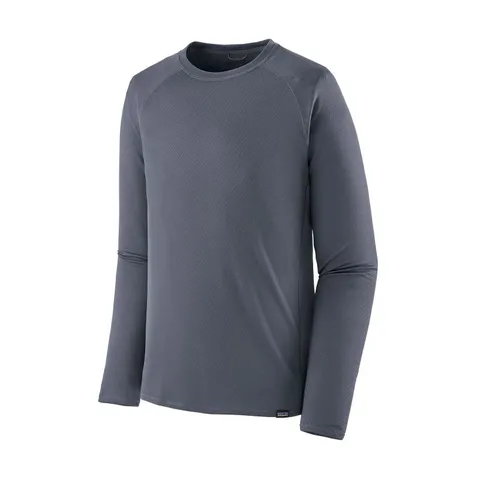
2. Capilene Midweight Crew

Patagonia

$56–$95

The benchmark synthetic base layer, made from 100% recycled polyester that wicks fast and dries quickly between runs. Testers report it lasting a decade or more, which makes it cheap per ski day.

Best for: Skiers who sweat a lot and want a top that lasts for years

Very fast wicking and drying on high-output days · Exceptional durability over many seasons · Machine washable and dryer friendly · Easy to layer under a fleece or puffy

Holds odor sooner than merino · Not as warm or soft as wool at the same weight

Sources: treelinereview.com, cleverskier.com, wornwear.patagonia.com

100% Merino Wool Base Layer Long Sleeve (250 Midweight)
Best ValueBudget

3. 100% Merino Wool Base Layer Long Sleeve (250 Midweight)

Merino.tech

$50–$70

Real 100% superfine merino at roughly half the price of the big outdoor brands. You give up some durability and refinement, but you keep the warmth and odor control that make merino worth it on the mountain.

Best for: Skiers who want merino performance without the premium price

Genuine 250 g/m2 merino at a budget price · Warm, breathable and odor resistant · Sold widely on Amazon in men's and women's cuts and full sets

Thinner fabric wears through sooner than premium merino · Overlock seams are less comfortable than flatlock

Sources: outdoorgearlab.com, us.amazon.com

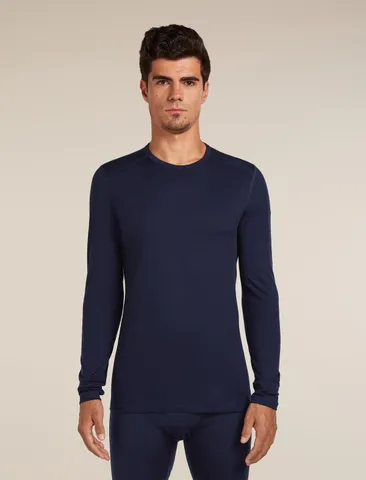
Merino 200 Oasis Long Sleeve Crewe Thermal Top
Premium

4. Merino 200 Oasis Long Sleeve Crewe Thermal Top

Icebreaker

$60–$120

A soft 100% merino top that took Editors' Choice for women in OutdoorGearLab's testing. Its lighter weight makes it more versatile than a 250 for mild days and layered systems.

Best for: Skiers who layer and want a premium merino top that works from fall to spring

Very soft against the skin with no itch · Strong warmth for its weight · Holds off odor across several days of wear · Slim cut layers easily

Lighter weight needs a good midlayer on very cold days · Slower to dry than synthetics · Expensive at full price

Sources: outdoorgearlab.com, rei.com, cleverskier.com, cleverhiker.com

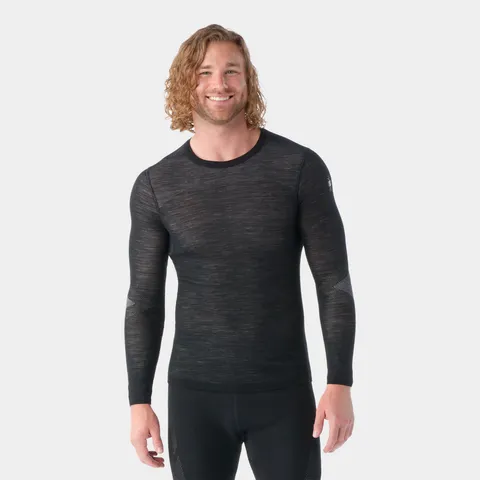
Intraknit Thermal Merino Base Layer Crew
Premium

5. Intraknit Thermal Merino Base Layer Crew

Smartwool

$100–$150

A seamless, body-mapped knit with mesh zones where you sweat most, built for skinning uphill and skiing down cold. The merino and polyester blend is far more durable than pure wool.

Best for: Backcountry tourers and start-stop resort skiers who overheat

Zoned venting dumps heat on the skin track · Merino and polyester blend resists wear and odor · Seamless construction reduces chafing under a pack · Long torso stays tucked

One of the priciest base layers here · Slim performance fit feels snug to some

Sources: outdoorgearlab.com, switchbacktravel.com, fieldmag.com, mtnweekly.com

Best PremiumPremium

6. Rho Heavyweight Zip Neck

Arc'teryx

$140–$150

A Polartec Power Stretch Pro top with a plush brushed interior and a durable nylon face, warm enough to work as a midlayer on cold resort days. The deep zip lets you vent fast when you start working.

Best for: Riders who run cold or ski frigid lifts all day

Among the warmest tops in its class · Very soft brushed fleece interior · Durable face fabric slides easily under a shell · Deep front zip for venting

Heavy and bulky for touring · Breathability is limited by the nylon face · Runs small and costs a lot

Sources: cleverhiker.com, skiessentials.com

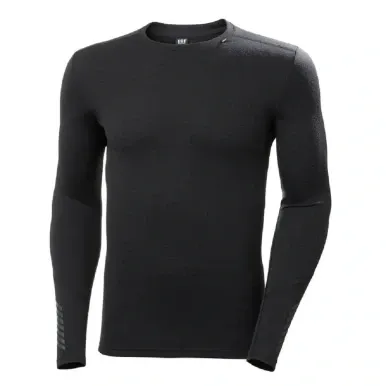
Lifa Merino Midweight Crew
Mid-range

7. Lifa Merino Midweight Crew

Helly Hansen

$55–$105

A two-layer fabric with Lifa polypropylene against the skin and merino on the outside. It pulls sweat off fast and keeps the warmth of wool, and reviewers single it out for staying dry on the slopes.

Best for: Hard-charging resort skiers who sweat and then freeze on the lift

Excellent breathability and moisture transport · Above-average warmth for a midweight · Merino outer face helps control odor · Frequently on sale at ski shops

Not as soft next to skin as full merino · Less durable than all-synthetic tops

Sources: hellyhansen.com, bettertrail.com, snow.guide

Classic Ninja Suit
Mid-range

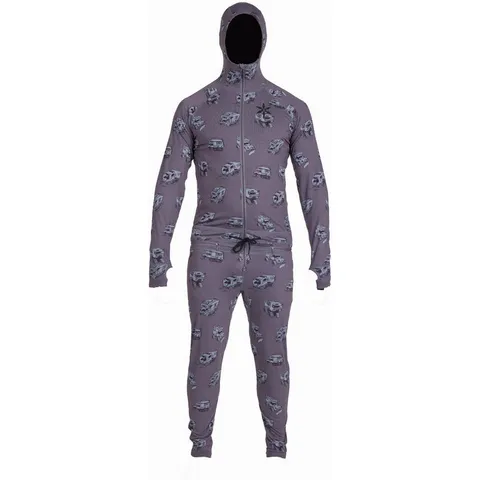
8. Classic Ninja Suit

Airblaster

$75–$150

A one-piece hooded base layer in 230 g/m2 stretch polyester that seals out snow and drafts from head to ankle. A cult favorite with snowboarders, it replaces a top, a bottom and a balaclava.

Best for: Snowboarders and park or powder riders who spend time in the snow

No gap at the waist, so no snow down your back · Integrated hood works as a balaclava · Hip zip for bathroom breaks · Thumb loops and YKK zippers throughout

Hard to shed one half when you overheat · Synthetic fabric holds odor on multi-day trips · Sizing is less forgiving than separates

Sources: myairblaster.com, mtnweekly.com, tactics.com, trailspace.com

Budget

9. Midweight Long-Sleeve Crew Base Layer Top

REI Co-op

$55–$65

A peached recycled polyester and spandex top at 220 g/m2, designed for ski days, with thumbholes and underarm gussets. It is soft, stretchy and well made for the price.

Best for: Newer skiers buying their first real base layer

Soft, stretchy fabric moves well while skiing · Thumbholes keep sleeves inside gloves · Flat seams and rolled shoulder seams avoid chafing · Inclusive sizing at a fair price

Retains body odor like most polyester · Stretch fabric can bunch under tight midlayers

Sources: rei.com, outdoorgearlab.com, cleverskier.com

ColdGear Base 4.0 Crew
Mid-range

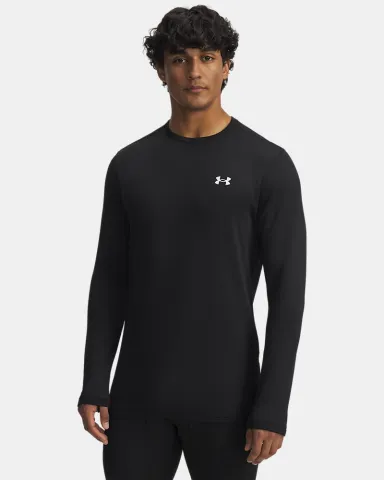
10. ColdGear Base 4.0 Crew

Under Armour

$60–$100

UA's warmest base layer uses a brushed grid interior that traps heat for very cold, lower-output days. It suits resort riding, where you spend more time on the lift than working hard.

Best for: Cold-blooded resort riders on frigid days

Very warm grid-fleece interior · Four-way stretch fabric · Scent control treatment · Widely available and often discounted

Too warm for touring or spring days · Snug compression-style fit is not for everyone

Sources: backcountry.com, hibbett.com, traveldatalab.com

Base Force Midweight Classic Crew
Best BudgetBudget

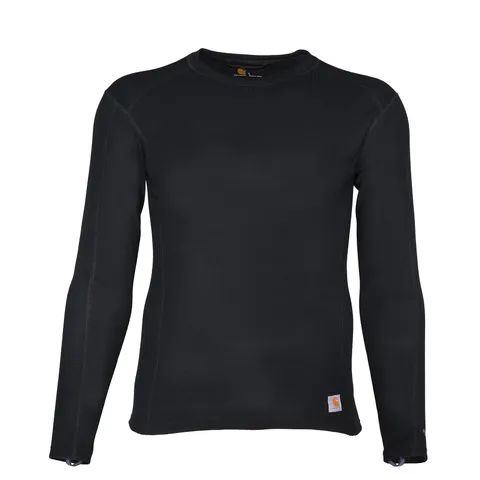
11. Base Force Midweight Classic Crew

Carhartt

$35–$40

A no-frills polyester waffle knit that wicks, dries quickly and shrugs off the dryer. It costs less than a lift-line lunch and beats cotton by a mile.

Best for: Budget skiers, occasional riders and anyone outfitting a family

Lowest price on this list · Quick drying with flatlock seams · Durable and easy care · Roomier cut suits broader frames

Less warm than wool on very cold days · Looser fit wicks less efficiently · Not as technical as ski-specific tops

Sources: outdoorgearlab.com, cleverskier.com

How we choose

We built the list from current long-term test reviews (OutdoorGearLab, Treeline Review, Mountain Weekly News, CleverHiker, Clever Skier) plus manufacturer and retailer spec pages, then cross-checked current US street prices at several retailers. We ranked each product on warmth for its weight, breathability on hard runs and uphill laps, odor control across multi-day trips, durability, fit under a ski shell, and price. Price only decided ties. Budget picks (under about $65) are mostly polyester or entry-level merino that does the job with fewer refinements. Mid-tier picks ($80 to $110 list) add better fabrics, fit and longevity. Premium picks ($115 and up) are top merino, touring-specific knits or heavyweight technical fleece. No brand paid for placement or reviewed this guide before publication. Affiliate links may earn us a commission, and that never affects which products make the list or how they rank.

Common questions

Merino stays warm when damp, resists odor for days, and feels comfortable across a wide temperature range, which makes it ideal for resort skiing and ski trips where you rewear layers. Synthetics like polyester dry faster, last longer and cost less, but they start to smell after a day or two. If you sweat heavily on bootpacks or skin tracks, a synthetic or a merino-synthetic blend often manages moisture better than pure wool.

Midweight (roughly 200 to 260 g/m2) is the right default for most resort skiing in winter. Lightweight layers suit spring days and high-output touring. Heavyweight or grid-fleece tops are for very cold days, riders who run cold, or long stretches of standing around, like teaching kids or riding slow lifts.

It should sit close to the skin without squeezing. A close fit lets the fabric pull moisture away from your body and keeps it from bunching under a midlayer or jacket. Very loose cuts trap air pockets and wick poorly. Compression-tight fits can feel restrictive by the end of the day.

Yes, for most skiers. Your legs work hard, and ski pants alone rarely manage sweat. A midweight bottom is enough for most days. Pick one with a flat waistband that won't dig in under a ski pant belt. Avoid bottoms that bunch inside ski boots: wear your ski socks against your skin and end the base layer above the boot cuff.

Cotton absorbs sweat and holds it against your skin, and wet cotton loses nearly all its insulating value. On a cold chairlift that can go from uncomfortable to dangerous. Any wool or synthetic base layer, even a $39 one, is a large upgrade.

Wash it cold on a gentle cycle, skip fabric softener, and air dry it flat or hang it, because high dryer heat shrinks and weakens wool fibers. Blends with nylon or polyester (Smartwool Intraknit, Helly Hansen Lifa Merino) survive rough use better than 100% merino.

Some links are affiliate links, and we may earn a commission at no extra cost to you. It never affects our rankings.