Skip to content
Top-rated outdoor gear, ranked

Best Of 2026

Best Ski & Snowboard Goggles of 2026

Our top 10 picks, independently ranked. Budget to premium.

Updated

Goggles do more for how a ski day feels than almost any other piece of gear. A good pair shows you the bumps, ruts and ice under flat afternoon light, stays clear when you sweat on a traverse, and seals against your helmet so wind and snow stay out. A bad pair fogs on the first chairlift, turns a cloudy day into a gray wall, and leaves a cold gap across your forehead.

The market splits into three clear bands. Under about $130 you can get a goggle with two lenses, decent anti-fog coatings and sometimes a magnetic lens swap. Lens clarity, ventilation and fit options are where the savings come from. Between roughly $130 and $260 you mostly pay for better lens tints, bigger fields of view and photochromic lenses that adjust to the light on their own. Above that, the premium models add the sharpest optics, magnetic lens systems you can work with gloves on, a bonus low-light lens, and more frame sizes to match different faces.

This guide ranks real goggles that skiers and snowboarders are buying for the 2026 season across all three bands. The goal is to tell you which extra dollars actually show up as better vision on the hill, and which ones mostly buy a logo.

At a glance

#ProductPrice
1
I/O MAG

Smith

$230–$295
2
4D MAG

Smith

$300–$355
3$270–$340
4
Adapt 2

Glade

$134–$149
5$250–$300
6$190–$250
7
Snow G

goodr

$65–$75
8$100–$130
9
Beacon

Zeal Optics

$209–$249
10
Roam

Giro

$60–$80
I/O MAG
Best OverallPremium

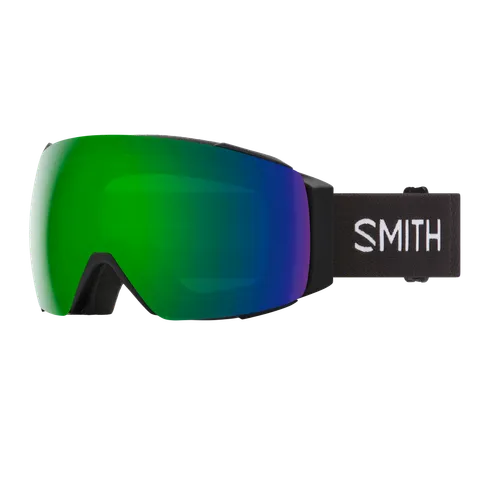
1. I/O MAG

Smith

$230–$295

The I/O MAG combines sharp ChromaPop optics, a secure magnetic lens swap and two included lenses in a frame that comes in several sizes. It is the goggle most reviewers keep returning to as the one that suits the widest range of skiers.

Best for: Frequent resort skiers and riders who want one reliable goggle for every condition

ChromaPop lenses add contrast and natural color, especially in mixed light · Magnetic lens system with a locking lever keeps lenses secure but quick to swap · Ships with both a bright-light and a low-light lens · Available in standard, S and XL sizes plus low bridge fit

Expensive for a goggle that is often discounted only modestly · No hard case included · Lens change is secure but not the fastest magnetic system

Sources: treelinereview.com, switchbacktravel.com, outdoorgearlab.com
4D MAG
Best PremiumPremium

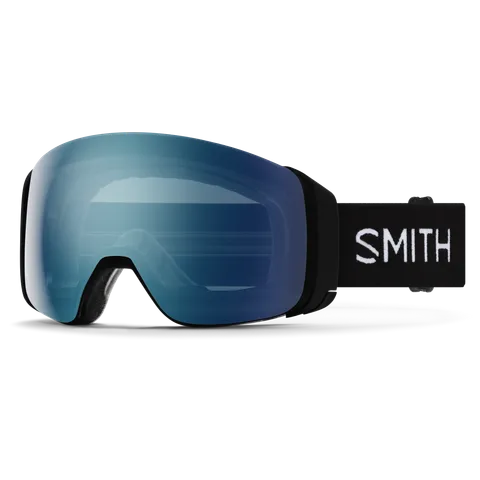
2. 4D MAG

Smith

$300–$355

Smith's BirdsEye Vision lens curves down at the bottom to show far more of the snow right in front of your skis, and its optics are among the clearest available. It is the top choice if you want the best view money can buy.

Best for: Expert and high-mileage skiers who want maximum vision in all terrain

Class-leading clarity and field of view, with noticeably better downward vision · Magnetic lens change with dual locking mechanisms · Includes a bonus low-light lens and a hard case · Low bridge fit version available

Among the most expensive goggles on the market · Some testers noticed slight distortion at the curved bottom edge · Hard to justify over the I/O MAG for casual skiers

Sources: outdoorgearlab.com, treelinereview.com, switchbacktravel.com

M4 Toric MFI
Premium

3. M4 Toric MFI

Anon

$270–$340

The M4 Toric has one of the easiest magnetic lens swaps you can buy and a toric lens with excellent peripheral vision. The included magnetic face mask seals against the goggle for cold, windy days.

Best for: Snowboarders and skiers with medium to large faces who ride in cold, windy conditions

Very fast, secure magnetic lens changes, even with gloves on · Toric lens shape gives wide, natural peripheral vision · Includes a spare lens and an MFI magnetic face mask · Fits over many glasses

Pricey · Built for medium to large faces, so it is a poor fit for small faces

Sources: outdoorgearlab.com, treelinereview.com, amazon.com

Adapt 2
Best ValueMid-range

4. Adapt 2

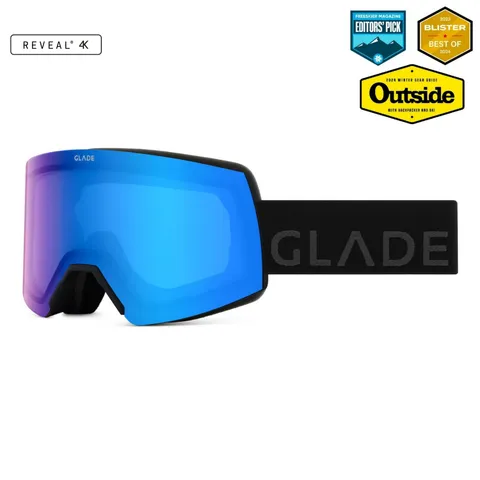
Glade

$134–$149

The Adapt 2 puts a fast-reacting photochromic lens into a light, comfortable frame for roughly half the price of premium photochromic goggles. Testers found its clarity and glare control better than many pairs costing over $200.

Best for: Skiers who want a one-lens photochromic goggle without paying premium prices

Photochromic lens adjusts quickly to changing light · Excellent clarity and glare reduction for the price · Light frame with good ventilation and triple-density foam · Lenses are interchangeable

Lens does not go fully clear, so surface detail fades in very low light · Hard case costs extra · Availability can be patchy outside Glade's own store

Sources: advnture.com, outdoorgearlab.com, switchbacktravel.com

Editor's PickPremium

5. Launcher

Julbo

$250–$300

The Launcher's lens pops forward off the frame to dump heat on climbs, which makes it the best anti-fog goggle for touring and sweaty days. Its Reactiv photochromic lens covers a wide range, from bright sun to storm.

Best for: Backcountry skiers and splitboarders who climb and descend in the same goggle

SuperFlow Pro lets the lens extend outward for huge airflow · Photochromic lens spans roughly 17 to 75 percent light transmission · Wide field of view with a frameless cylindrical lens · Comfortable multi-layer foam for long days

No spare lens included · Fits medium to large faces only · Build quality feels a step below other premium goggles

Sources: outdoorgearlab.com, switchbacktravel.com

Flight Deck L
Mid-range

6. Flight Deck L

Oakley

$190–$250

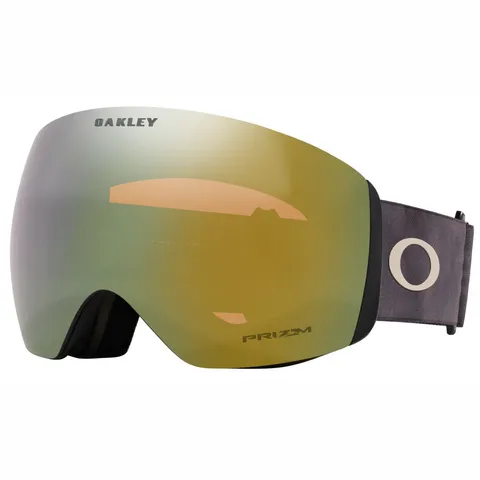
A large, rimless Prizm lens gives the Flight Deck L one of the biggest fields of view out there, and its frame notches make it work over glasses. It is let down only by an older lens-change system and a single included lens.

Best for: Riders with larger faces or glasses who want the widest possible view

Huge field of view from the rimless spherical lens · Prizm lens tints add good contrast in sun · Designed to fit over prescription glasses · Excellent helmet compatibility

Only one lens in the box · Ridge Lock lens change is slower than magnetic systems · Limited low-light performance with most sunny tints

Sources: treelinereview.com, switchbacktravel.com, outdoorgearlab.com
Snow G
Best BudgetBudget

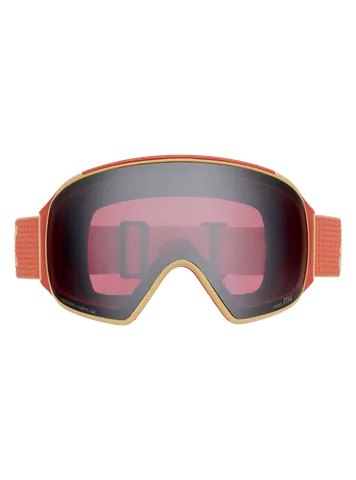
7. Snow G

goodr

$65–$75

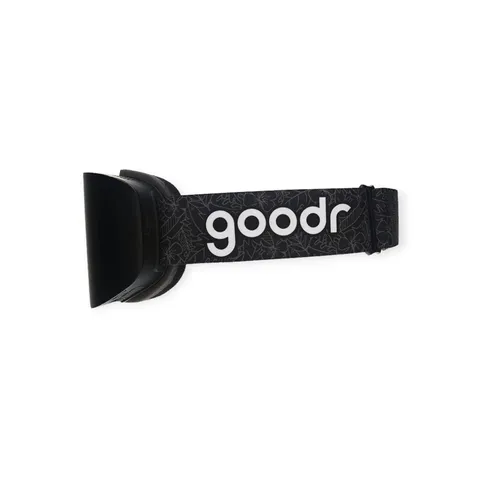
At $75 the Snow G includes a magnetic lens system, a second low-light lens and a hard case, which are features normally found on goggles costing twice as much. Its optics are good enough for most resort days.

Best for: Weekend resort skiers who want magnetic lenses on a tight budget

Magnetic lenses swap easily, even while wearing the goggle · Includes a low-light lens and a hardshell case · Did not fog during independent testing · Very low price

One size only, which runs big for small faces · Ventilation and lens crispness trail premium models · Limited tint and color choices

Sources: outdoorgearlab.com, treelinereview.com

Squad ChromaPop
Budget

8. Squad ChromaPop

Smith

$100–$130

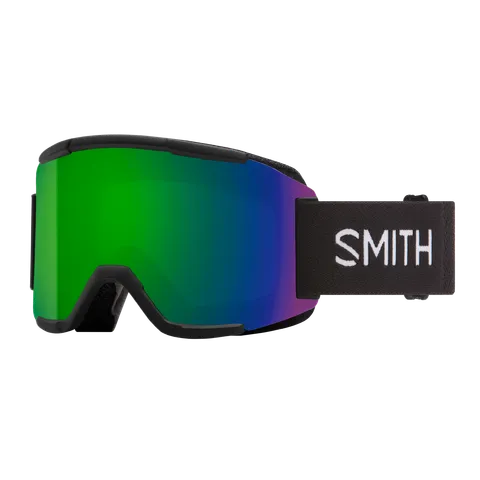
The Squad brings Smith's ChromaPop lens tech and a bonus low-light lens down to an entry price. It is sturdy and light, and you have to live with a manual lens change.

Best for: Skiers who want a trusted brand's optics without paying for a magnetic system

ChromaPop optics at a budget price · Comes with a second lens for low light · Light, durable frame with good helmet integration · Offered in multiple sizes including S and XL

Non-magnetic lens change is slow and fiddly · Cylindrical lens has a narrower view than spherical designs

Sources: outdoorgearlab.com, treelinereview.com, amazon.com

Mid-range

9. Beacon

Zeal Optics

$209–$249

The Beacon pairs a polarized Automatic+ photochromic lens with Zeal's Observation Deck design, which widens the view without making the frame bigger. Its photochromic range is narrow, so storm days still call for a second lens.

Best for: Resort skiers with medium faces who mostly ride in sun to high overcast

Photochromic and polarized lens option · Good fog resistance at the resort · Wider view in a medium frame · Comfortable with helmets and offered in dozens of colorways

Photochromic range of roughly 20 to 38 percent is too narrow for whiteouts · Can fog on strenuous uphill efforts

Sources: outdoorgearlab.com

Roam
Budget

10. Roam

Giro

$60–$80

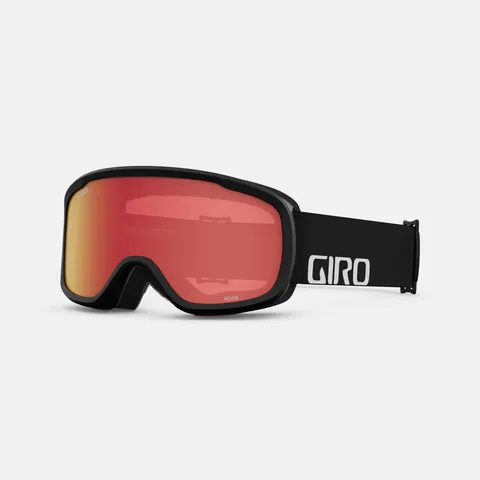
The Roam is a no-fuss goggle with two lenses, decent anti-fog treatment and color-accurate optics for well under $100. It is a smart choice for kids, teens and anyone skiing a handful of days a year.

Best for: Occasional skiers and riders with small to medium faces who want value

Two lenses included for sun and low light · Good color accuracy for the price · Works smoothly with Giro helmets · Many color options

Lens change takes one to three minutes · Ventilation is only adequate · Fits small to medium faces, not large

Sources: outdoorgearlab.com, amazon.com

How we choose

We built this list by cross-checking long-term, hands-on test results from independent reviewers (OutdoorGearLab, Treeline Review, Switchback Travel, Advnture and others) against manufacturer specs and current US street prices, then weighing the qualities that matter most on snow: lens clarity and contrast in flat light, fog resistance, ease of lens changes with gloves on, field of view, fit and helmet compatibility, and what comes in the box. Rank reflects overall recommendation for a typical resort skier or rider, not price. Tiers are set by street price: budget is roughly under $130 and gives you serviceable optics with simpler lens systems, mid covers about $130 to $260 and is where photochromic lenses and wide frameless designs appear, and premium is above that, with the best optics, quick magnetic swaps and bonus lenses. We are editorially independent: no brand paid for placement, and affiliate links never influence which goggles make the list or where they rank.

Common questions

It depends on how narrow the photochromic range is. Some, like the Julbo Launcher, run from about 17 percent to 75 percent light transmission and genuinely cover sun to storm. Others, like the Zeal Beacon's Automatic+ lens, only shift between roughly 20 and 38 percent, which still leaves you wanting a dedicated low-light lens on whiteout days. If you ski in variable weather and hate carrying spares, pick a photochromic lens with a wide range. If you want the best possible contrast in flat light, a dedicated low-light lens still wins.

A cylindrical lens curves side to side but is flat top to bottom, which gives a classic look and less glare but slightly more distortion at the edges. A spherical lens curves in both directions, which widens peripheral vision and reduces distortion. A toric lens is a blend that follows the shape of your eye more closely, aiming for spherical-level clarity with a lower profile. In practice, spherical and toric lenses look more natural at the edges of your vision.

Keep them on your face or helmet rather than on your forehead, where body heat and sweat collect behind the lens. Never wipe the inside of the lens, because that removes the anti-fog coating. Shake out snow, let them air dry indoors at the end of the day, and make sure your helmet vents line up with the goggle's top vents. On hikes or skins, a goggle with extra ventilation, like the Julbo Launcher's pop-out lens, helps a lot.

Look for goggles labeled OTG (over the glasses), which have deeper frames and notches at the temples for your glasses' arms. Large-frame models such as the Oakley Flight Deck L and the Anon M4 Toric are designed with OTG use in mind. Small, low-profile frames usually will not work. If you wear glasses every day, prescription lens inserts or contact lenses are worth considering for the best fit.

For skiers who get out more than ten days a season, usually yes. The differences show up in flat light, where better lens tints reveal snow texture, and in lens changes, where magnetic systems take seconds instead of minutes. For a few days a year, a budget goggle with two lenses like the goodr Snow G or Giro Roam will cover you well, and the money saved is better spent on a helmet or lessons.

They do not need to be the same brand, but they must fit together. Check that the goggle sits flush against the helmet brim with no gap across your forehead, that the strap fits the helmet's rear clip, and that the helmet does not push the goggle down onto your nose. Trying both on together in a shop is the most reliable test.

Some links are affiliate links, and we may earn a commission at no extra cost to you. It never affects our rankings.