Skip to content
Top-rated outdoor gear, ranked

Best Of 2026

Best Ski & Snowboard Helmets of 2026

Our top 11 picks, independently ranked. Budget to premium.

A ski or snowboard helmet is the rare piece of gear where the cheapest option and the most expensive option both keep your skull intact, every lid sold in the US is built to the same baseline ASTM F2040 / CE EN 1077 standard. What you actually pay for as you climb the price ladder is rotational-impact technology (MIPS, WaveCel, or Giro's Spherical ball-and-socket), better ventilation you can tune on the fly, lower weight, plush removable liners, and goggle integration that eliminates the dreaded forehead gap. Understanding that distinction is the whole game: a $70 helmet is genuinely safe, but a $300 helmet is more comfortable to wear all day and manages heat far better.

This guide spans the full market on purpose. Amazon will happily bury you in a hundred near-identical listings without telling you that the OutdoorMaster Kelvin II and the Anon Merak are aimed at completely different buyers. We've sorted real, currently-available 2026 models into three tiers (budget, mid, and premium), so you can see exactly what an extra hundred dollars buys and decide where your money stops working harder for you.

Fit matters more than any feature. Before you buy, wrap a soft tape measure around your head about an inch above your eyebrows; that circumference, not your hat size, is what helmet sizing charts use. A helmet that's too loose can't protect you the way it was engineered to, and a helmet that pinches won't get worn. Buy the size that's snug all the way around with no pressure points, then worry about color and vents.

At a glance

#ProductPrice
1$185–$220
2$100–$145
3$190–$220
4
MOD5 MIPS

Oakley

$230–$270
5$300–$320
6$220–$240
7
Kelvin II MIPS

OutdoorMaster

$60–$90
8$250–$280
9
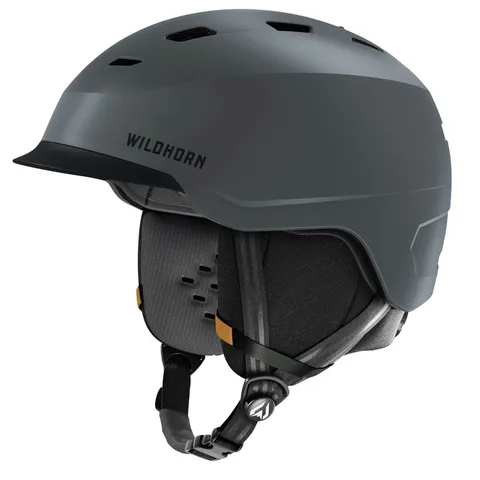
Drift

Wildhorn

$80–$110
10$130–$160
11$250–$280
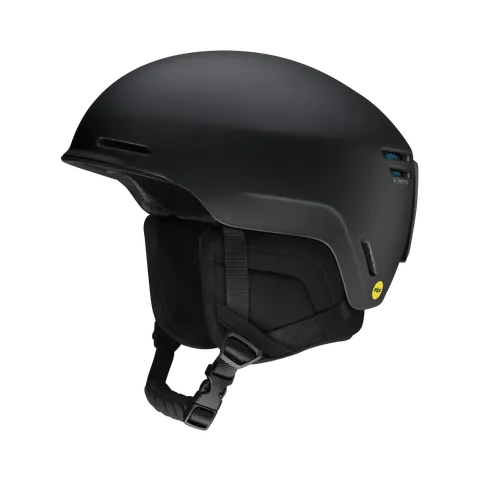
Method Pro MIPS
Best OverallMid-range

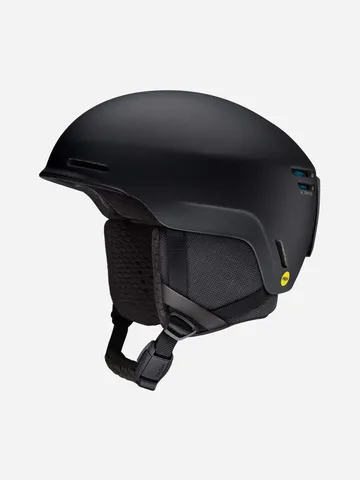
1. Method Pro MIPS

Smith

$185–$220

Repeatedly named the top all-around pick of 2026 for nailing the balance of impact performance, low weight, and comfort. Zonal Koroyd plus MIPS in a lid that disappears on your head.

Best for: The skier or rider who wants one helmet that does everything well

Excellent impact-test results paired with MIPS rotational protection · One of the lightest full-feature helmets on the market · Comfortable fit with premium ear pads and glove-friendly magnetic buckle

Vents are fixed, not adjustable · Mid-to-upper price for what some consider a do-everything helmet

Ratio MIPS
Best ValueBudget

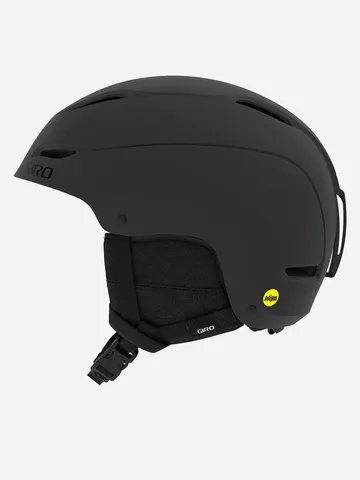
2. Ratio MIPS

Giro

$100–$145

The value champion of 2026: plentiful vents, MIPS, and a smooth dial-fit system at roughly half the price of high-end competitors. The smart-money pick.

Best for: Budget shoppers who refuse to give up MIPS and proper venting

MIPS rotational protection at a budget-tier price · Good ventilation and a reliable In Form dial fit system · Clean styling that doesn't look cheap

Heavier and less plush than premium lids · Vents are not adjustable

Obex MIPS
Editor's PickMid-range

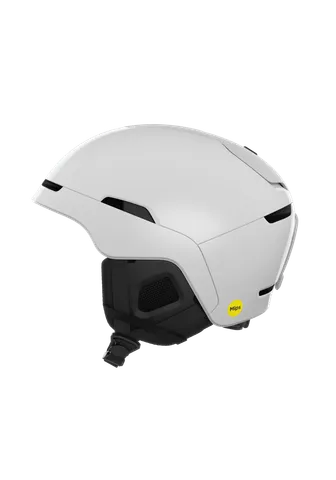
3. Obex MIPS

POC

$190–$220

A hybrid hardshell/in-mold build that marries durability with high-end crash protection and POC's distinctive Scandinavian styling, with an adjustable venting system to manage heat.

Best for: Riders who want adjustable venting and standout looks without going full premium

Hybrid construction for durability plus crash protection · Adjustable ventilation for changing conditions · Refined, recognizable POC aesthetic

Heavier than the lightest in-mold options · Premium-leaning price for a mid-tier lid

MOD5 MIPS
Premium

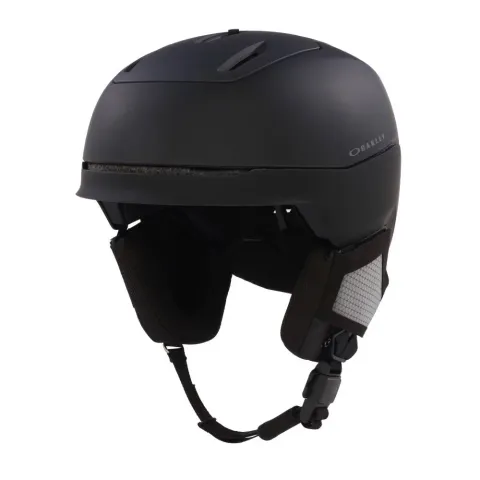
4. MOD5 MIPS

Oakley

$230–$270

Best known for its Modular Brim System that lets you tweak the fit between helmet and Oakley goggles for a seamless seal. A comfortable, feature-rich premium all-mountain lid.

Best for: Oakley goggle owners who want a flawless helmet-to-goggle seal

Adjustable brim eliminates the goggle gap, especially with Oakley goggles · MIPS protection with a comfortable BOA fit dial · Solid adjustable ventilation

Heavier than minimalist premium helmets · Premium price; brim benefit is biggest if you already run Oakley goggles

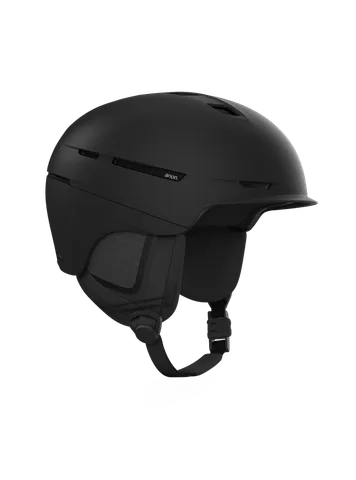
Merak WaveCel
Best PremiumPremium

5. Merak WaveCel

Anon

$300–$320

Anon's flagship uses WaveCel, a green honeycomb of collapsible cells engineered to absorb both direct and rotational impacts, in a premium, plush, fully featured package.

Best for: Buyers who want the top of the line and the latest impact tech

WaveCel offers a distinct approach to rotational-impact protection · Premium liner, ear pads, and finishing throughout · Strong ventilation and goggle integration

The most expensive helmet here · WaveCel adds a little weight versus thin in-mold shells

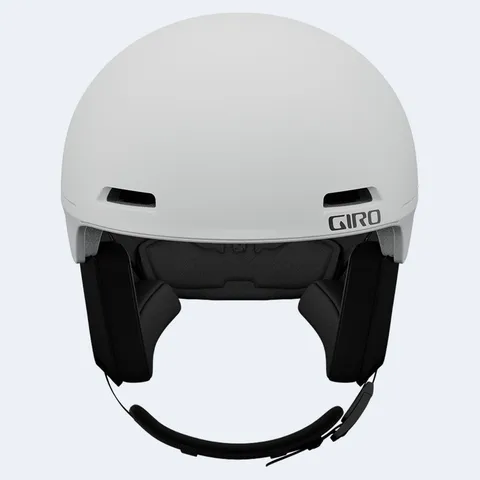
Owen Spherical
Premium

6. Owen Spherical

Giro

$220–$240

Giro's Spherical ball-and-socket design uses two independently rotating liners built into the shell to cut rotational forces, a clever alternative to a separate MIPS layer.

Best for: Tech-curious buyers who want Giro's Spherical protection in a refined package

Spherical dual-liner system for rotational protection · Comfortable, well-vented, and quiet on the hill · Clean low-profile premium styling

Premium price · Heavier than the lightest premium lids

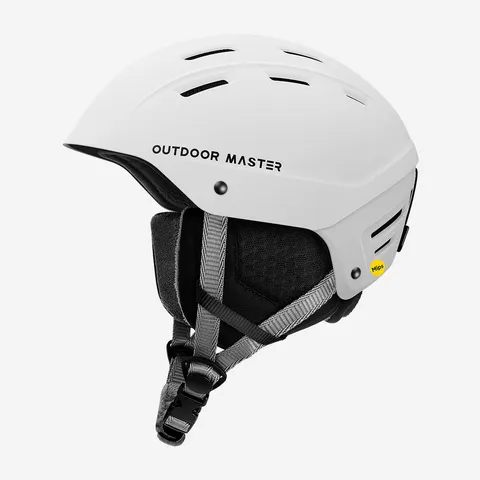
Kelvin II MIPS
Best BudgetBudget

7. Kelvin II MIPS

OutdoorMaster

$60–$90

A genuine bargain: MIPS, 14 vents, removable liner and ear pads, and a dial-fit system at a fraction of name-brand prices. The default pick when the budget is tight.

Best for: First-timers and families who want MIPS without spending big

MIPS protection at a rock-bottom price · Plentiful venting and a removable, washable liner · Big upgrade over the original Kelvin

Heavier and less refined than premium helmets · Styling and finish are basic

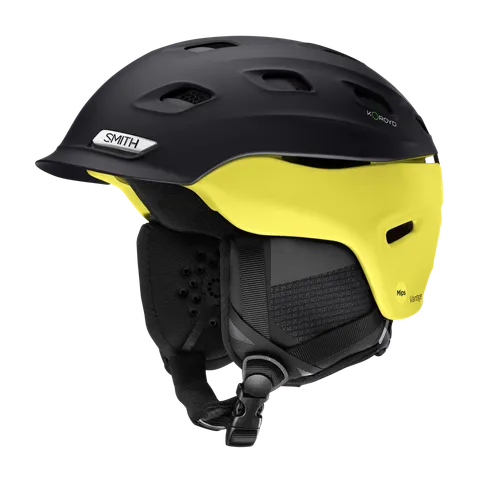
Vantage MIPS
Premium

8. Vantage MIPS

Smith

$250–$280

A long-standing premium benchmark and one of the warmest helmets out there, with Koroyd, MIPS, a full liner, and adjustable Climate Control vents for cold, stormy days.

Best for: Cold-climate skiers who prioritize warmth and tunable venting

Excellent warmth with a full liner and plush ear pads · Adjustable vents plus Koroyd and MIPS protection · Proven, durable all-mountain design

Heavier and warmer than some prefer on spring days · Premium price

Drift
Budget

9. Drift

Wildhorn

$80–$110

A direct-to-consumer favorite and US Ski Team official supplier, the Drift is one of the lightest budget in-mold helmets, with adjustable venting and a Fine-Tune dial fit.

Best for: Value hunters who want adjustable vents and low weight on a budget

Light in-mold construction at a budget price · Adjustable ventilation, rare at this tier · Comfortable dial fit and good value

Base model ships without MIPS. Check the variant · Less plush than premium liners

Method MIPS
Mid-range

10. Method MIPS

Smith

$130–$160

The standard Method delivers much of the Method Pro's comfort and clean looks with MIPS protection at a friendlier mid-tier price, a smart step up from budget lids.

Best for: Shoppers who want Smith comfort and MIPS without the Pro price

MIPS protection with Smith's comfortable fit · Lightweight, low-profile styling · Strong value within the mid tier

Drops the Pro's Koroyd reinforcement · Fixed (non-adjustable) vents

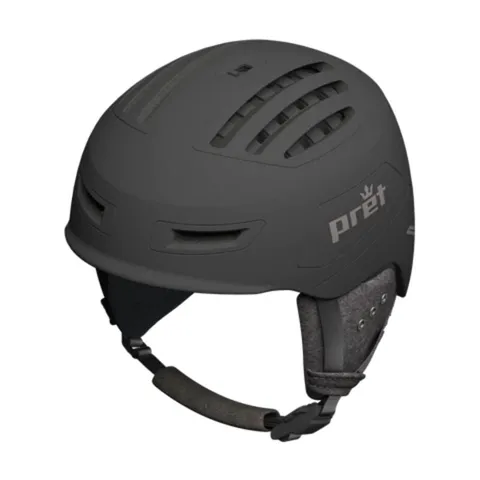
Cirque X MIPS
Premium

11. Cirque X MIPS

Pret

$250–$280

Pret has quietly become a tester darling for excellent temperature regulation, the Cirque X pairs generous adjustable venting with MIPS in a premium all-mountain lid.

Best for: Riders who run hot and want best-in-class venting control

Outstanding adjustable ventilation and climate control · MIPS protection with a comfortable, secure fit · Premium build and understated styling

Premium price · Less widely stocked than Smith or Giro

How we choose

We built this list from hands-on gear-testing coverage published for the 2025–2026 season by independent outlets (OutdoorGearLab, SkiMag, Switchback Travel, GearJunkie, Powder, The Inertia) cross-referenced against current retailer pricing and stock at evo, REI, Amazon, and brand stores. Helmets had to be real models a skier or snowboarder can buy right now and had to carry credible rotational-impact protection. Ranking reflects overall recommendation (the balance of protection, comfort, ventilation, fit system, weight, and value), not price, so a great budget lid can outrank a pricier one. The tiers are price-defined: budget is roughly under $120, mid is $120–$220, and premium is $220 and up, where you pay for the newest impact systems, the lightest shells, and the plushest finishing. We accept no payment from brands for placement or ranking; affiliate links, where present, never influence the order.

Common questions

Not in the way most people assume. Every helmet legally sold in the US must pass the same ASTM F2040 impact standard, so a $70 lid and a $320 lid both meet the same baseline for straight-on impacts. The extra money mostly buys rotational-impact technology (MIPS, WaveCel, Giro Spherical), lighter weight, better-tunable venting, and plusher comfort, things that make you more likely to wear it all day and handle a twisting crash better, not a higher pass/fail safety grade.

MIPS (Multi-directional Impact Protection System) is a low-friction layer inside the helmet that lets the shell rotate slightly on impact, reducing the rotational forces transmitted to your brain during an angled fall, which is how most real crashes happen. It's worth prioritizing. Anon's WaveCel and Giro's Spherical (ball-and-socket) designs are alternative approaches to the same rotational-protection goal. If two helmets are close in price, take the one with a rotational system.

Yes. Ski and snowboard helmets are built to identical safety standards and the same models are marketed for both sports, every helmet on this list works for either. The only real differences are style preferences and goggle pairing. Do not substitute a bike or climbing helmet; snow helmets are designed for cold-weather insulation and snow-sport impact profiles.

Snug all the way around with no pressure points and no gaps. It shouldn't shift when you shake your head before the chin strap is buckled. Measure your head circumference about an inch above your eyebrows and match it to the brand's size chart rather than guessing from a hat size. Pair it with your goggles in the store if you can, a good helmet sits flush with the top of the goggle frame, leaving no exposed 'gaper gap' on your forehead.

Replace it immediately after any significant impact, even if it looks fine, the foam crushes to absorb energy and won't protect you the same way twice. Absent a crash, most manufacturers recommend replacing a helmet every three to five years, since foam, straps, and the fit system degrade with UV, sweat, and storage over time.

In-mold helmets fuse a thin polycarbonate shell directly to the EPS foam, making them lightweight and well-ventilated but a bit less durable, common in mid and premium lids. ABS (hardshell) uses a tougher separate plastic outer shell that resists dings, which is why it shows up in many budget and park-oriented helmets. Hybrid construction combines a hardshell top with in-mold sides to balance durability against weight.

Some links are affiliate links, and we may earn a commission at no extra cost to you. It never affects our rankings.

In your pocket

Take the whole mountain with you.

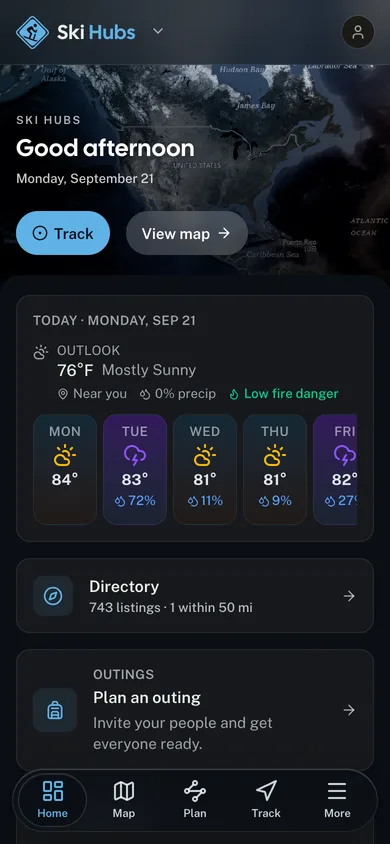
Free, no account needed. Run maps, GPS run tracking, and mountain webcams in your pocket.

  • Every resort and ski school in your pocket

  • Named runs and lifts drawn on the map

  • GPS-track every run, hands-free

  • Live webcams before you commit to the drive

The Ski Hubs app dashboard

For operators

Run a ski business?
Get on the map for free.

Claim your free listing for a branded page and a spot in the Ski Hubs app, then add bookings and digital waivers whenever you’re ready. No setup cost.