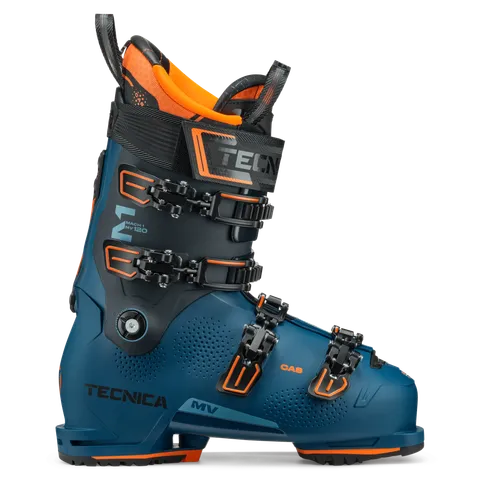
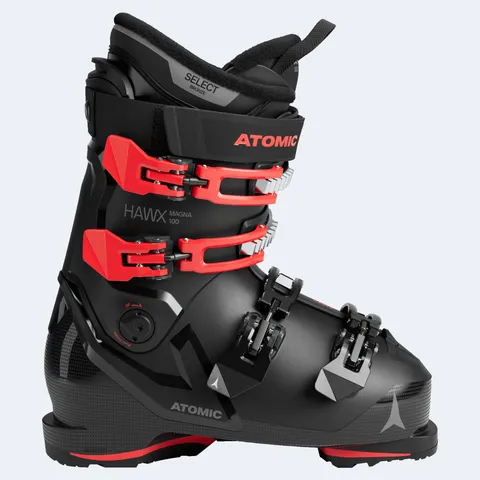
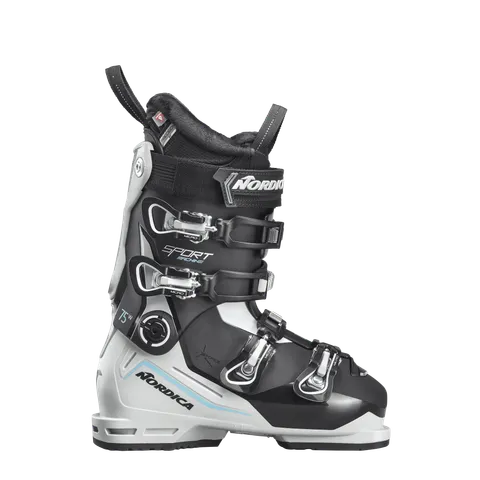
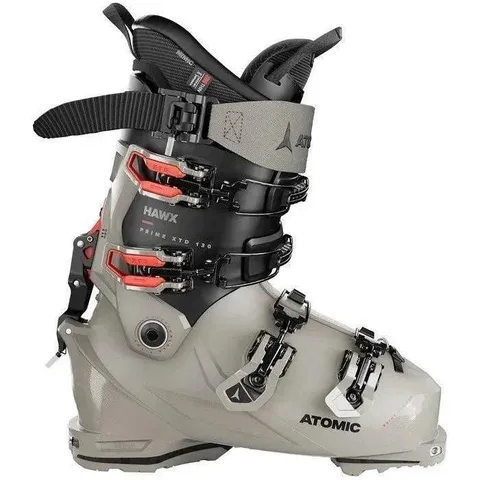
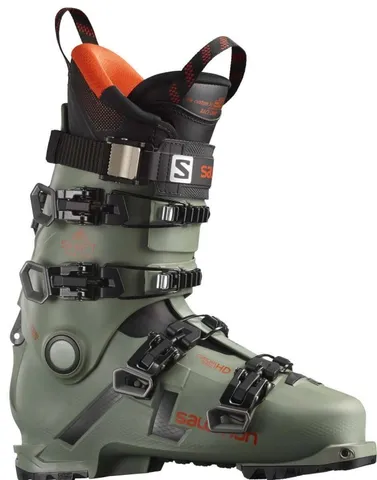
Ski boots are the single most important piece of gear a skier or snowboarder-turned-skier will buy. More than the skis underfoot. A boot is the only part of the kit that touches your body for six straight hours, and it's the mechanism that translates every subtle shift of your shin and ankle into edge pressure on snow. A $1,200 ski will feel vague and lifeless in a sloppy boot, while a humble all-mountain ski comes alive in a shell that actually holds your foot. That's why fit (last width, flex, and instep volume) matters far more than the model on the cuff or the price on the tag.
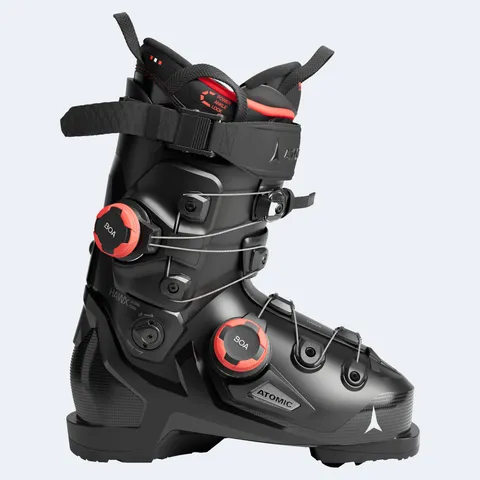
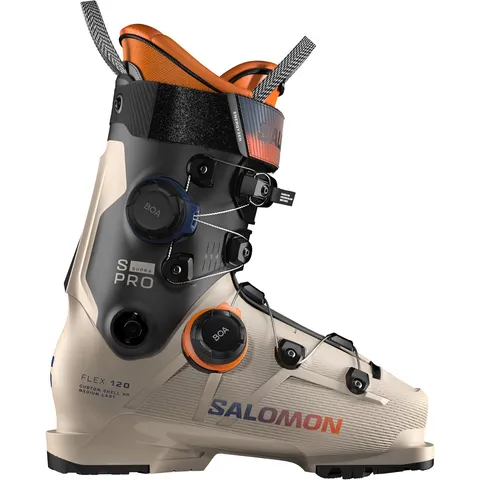
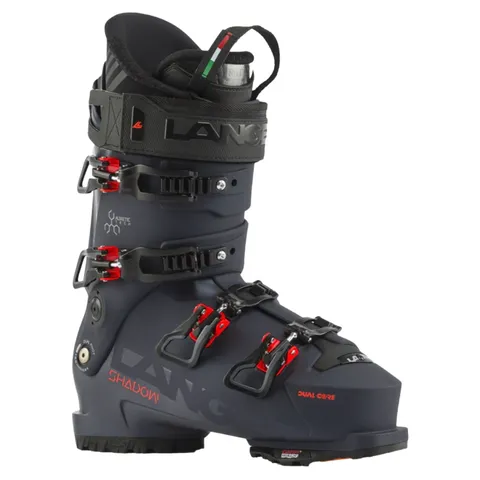
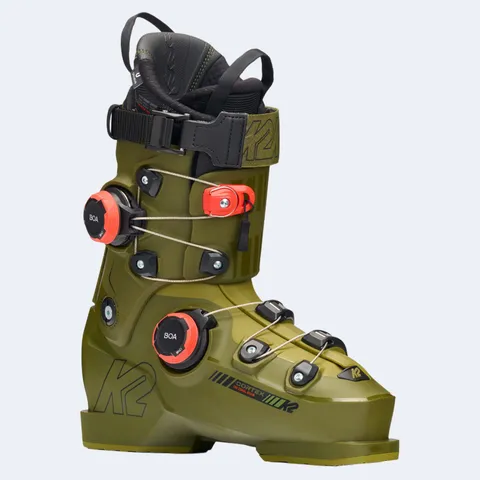
The 2025–26 season is the most interesting one for boots in years, and the headline is the BOA Fit System takeover. Atomic, Salomon, K2, and Fischer have all moved dual-BOA dials onto the shell and cuff, replacing or supplementing the old cam buckles with a cable that wraps the foot evenly and micro-adjusts on the fly. At the same time, traditionalists like Lange (the new Shadow) have refused to chase the trend and instead poured their engineering into power transfer and shock absorption. The result is a market that's genuinely split between mechanical innovation and refined classics. Good news for buyers at every budget.
This guide spans the real spectrum, from a $430 entry boot to $1,000-plus expert and crossover shells. Crucially, last width (the millimeter measurement at the forefoot) is the number to fixate on: 98mm low-volume (LV) for narrow, performance-focused feet; 100mm mid-volume (MV) for the average foot; and 102–104mm high-volume (HV) for wide feet or all-day comfort. Buy the boot that fits your foot and skiing, not the stiffest flex you can afford.