Skip to content
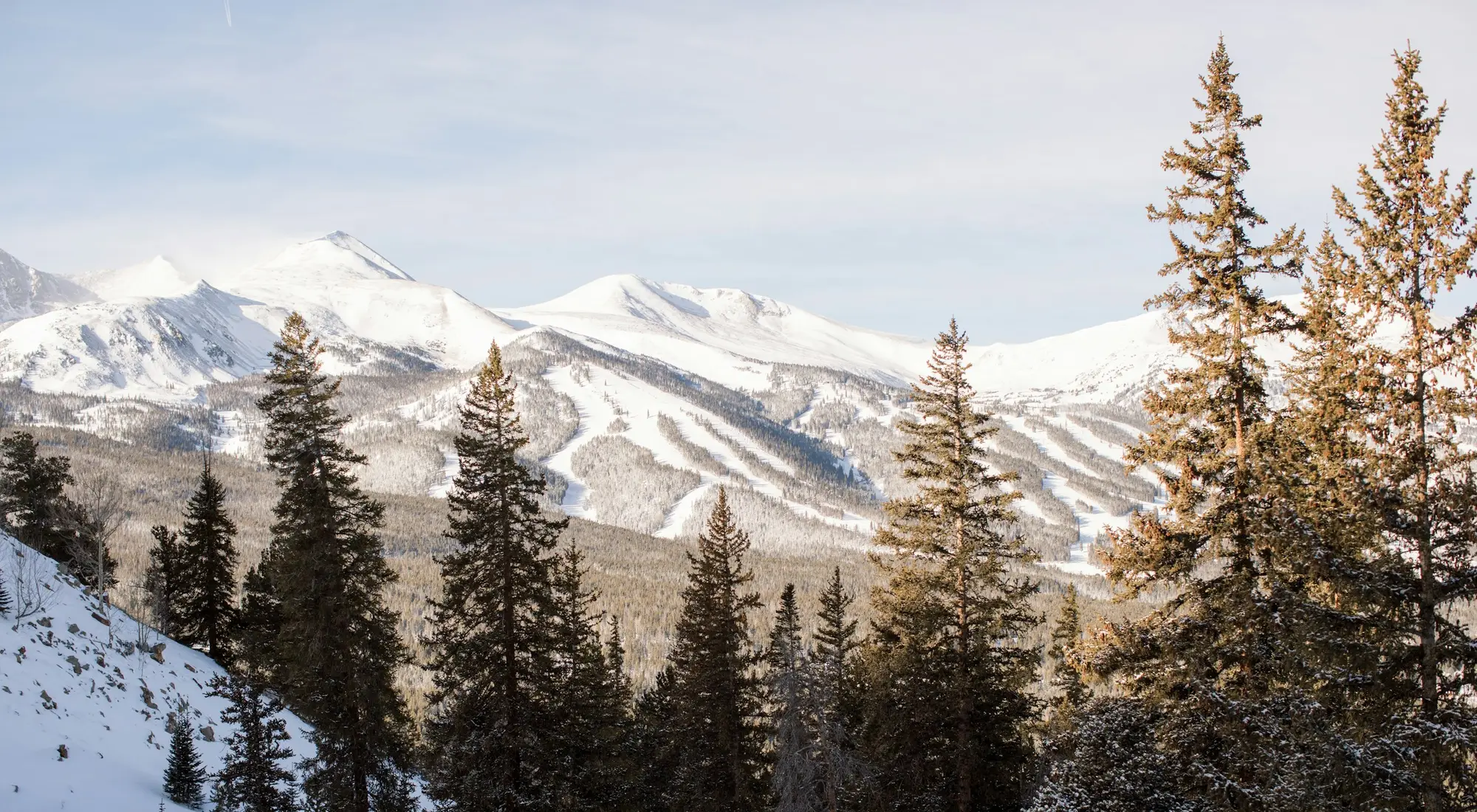
Western US & Canada alpine backdrop for the Ski Hubs Western US & Canada directory

Ski Schools & Resorts · Western US & Canada

Western US & Canada Ski Schools & Resorts

Explore 212 operators across Western US & Canada. Maps, contact info, photos, and verified operator profiles, all in one place.

All listings

212 operators in Western US & Canada
All regions

Ski Run Explorer

Ski runs across Western US & Canada

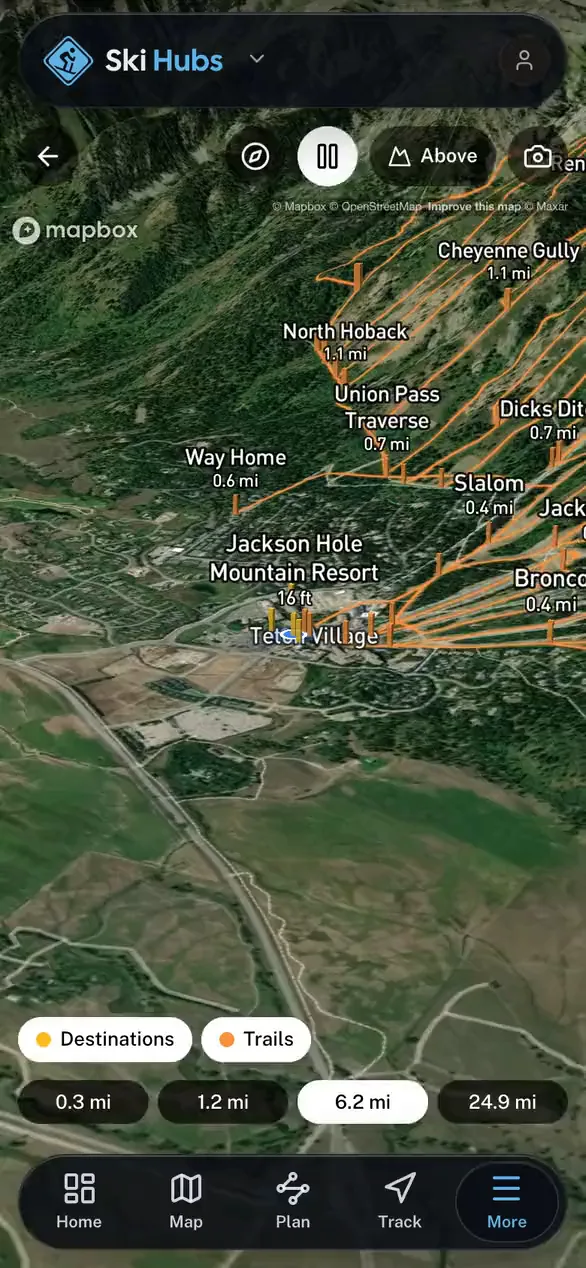
Tap a trail to trace its route on the map, then open it for the full profile.

Browse all 5,874 ski runs

Loads the full map of the trails across Western US & Canada. We leave it off by default so the page opens fast on mobile data.

  • Details
  • Details
  • Details
  • Details
  • Details
  • Details
  • Details
  • Details
  • Details
  • Details
  • Details
  • Details

About Western US & Canada

The Western US and Canada is big enough to swallow a lifetime of ski trips and still have terrain you'll never touch. The Rocky Mountains run dry, light powder across Colorado, Utah, and Wyoming. British Columbia's Coast Range and California's Sierra Nevada stack up deep maritime snow instead. In between sit every kind of hill: sprawling mega-resorts, tiny local bumps, and backcountry that goes on past the horizon. The range of what you can do here is the defining fact.

In the States, Colorado's high-altitude resorts trade on champagne powder and huge trail networks, with Vail and Aspen leading the pack. Utah bills its snow as the 'Greatest Snow on Earth' and puts it a short drive from Salt Lake City at Alta and Snowbird. Wyoming's Jackson Hole holds some of the gnarliest in-bounds terrain in the country, while California's Lake Tahoe pairs big snow totals with lake views. Montana and Idaho keep it rugged and uncrowded for anyone chasing a classic Western feel.

North of the border, British Columbia and Alberta carry their own weight. BC means deep, dependable powder, sprawling heli- and cat-skiing operations, and big-mountain resorts like Revelstoke and Whistler Blackcomb, whose ski area ranks among the largest on the continent. Alberta's Canadian Rockies deliver the postcard scenery inside Banff National Park, with Lake Louise and Sunshine Village skiing beneath the peaks. Every skill level finds its ground somewhere in the mix.

The resorts are only half the story. This is one of the world's great backcountry regions, threaded with certified guides and ski schools that run everything from a first lesson to an advanced avalanche course to a multi-day traverse deep in the wilderness. Whether you're cleaning up your resort turns, poking into the sidecountry for untracked snow, or committing to days in the backcountry, the teaching and guiding infrastructure is deep and professional on both sides of the border.

Quick facts

Ski season
Nov–Apr
Known for
Deep powder & big vertical
Skill level
All levels
Operators listed
212
Countries
USA (Colorado, Utah, Wyoming, California), Canada (BC, Alberta)
Ski regions
4

By region

4 regions in Western US & Canada

Region 01 / 04

Colorado Rockies

High altitude, dry champagne powder, and a lot of sun. Colorado runs marquee resorts like Vail, Aspen, and Breckenridge alongside miles of backcountry, blending polished amenities with serious big-mountain skiing.

Region 02 / 04

Utah's Wasatch Range

'The Greatest Snow on Earth,' and it's barely an hour from the Salt Lake City airport. The Wasatch Front holds Alta, Snowbird, and Park City, with everything from mellow family runs to expert-only chutes and a reputation for deep powder.

Region 03 / 04

British Columbia Interior

A global magnet for deep, reliable snow, built around extensive cat-skiing, heli-skiing, and big-mountain resorts like Revelstoke and Kicking Horse. The Selkirk and Monashee ranges keep the powder and the backcountry coming.

Region 04 / 04

Canadian Rockies (Alberta)

Set inside Banff and Jasper National Parks, Alberta's Rockies pair jaw-dropping scenery with world-class skiing at Lake Louise Ski Resort and Banff Sunshine Village. Dry, cold snow under dramatic peaks makes for a genuinely grand winter.

Trip guide

Know before you go in Western US & Canada
Confirm current requirements with the agency that sets them before your trip. Rules and fees change every season.

  • Avalanche training

    Guided backcountry trips expect AIARE 1 (US) or AST 1 (Canada), or equivalent experience.

  • Park passes and fees

    Banff, Jasper, and some US National Forests charge a park pass or access fee.

  • Rescue insurance

    Carry travel insurance with medical and backcountry rescue cover. Remote evacuations get expensive.

01What is the best time to ski in Western US & Canada?
It shifts by region, but mid-December through March gives you the most consistent snow and full resort operations. January and February usually bring the deepest powder, especially in the interior Rockies. March and April trade some of that for longer days, warmer air, and good corn snow up high.
02Do I need a guide for backcountry skiing?
Not legally required everywhere, but strongly recommended if the terrain or snowpack is new to you. A certified guide brings local knowledge, route-finding, and avalanche management, the things that keep an unpatrolled day both safer and better.
03What kind of snow can I expect?
It splits by climate. The interior Rockies (Colorado, Utah, Alberta), are known for dry, light champagne powder off their continental weather. The coastal ranges of British Columbia, the Pacific Northwest, and California catch heavier, wetter, but often far deeper maritime snow. Check local forecasts and recent reports before you commit.
04Are there options for beginners?
Yes, everywhere. Most resorts across the Western US and Canada run generous beginner terrain, dedicated learning zones, and full ski and snowboard schools. Certified instructors teach the fundamentals in a safe setting, so first-timers can progress without feeling in over their heads.
05How do I choose between US and Canadian destinations?
It comes down to what you're after. US resorts often skew larger and more developed, with deep amenities and a focus on high, dry powder. Canada, British Columbia especially, is built on vast maritime snowpacks, extensive heli- and cat-skiing, and a more rugged big-mountain feel, frequently framed by national parks.
06What are the typical costs for a ski trip?
It ranges widely with destination, length, lodging, and activities. Lift tickets run pricey, though multi-resort passes cut the cost. Lodging spans budget motels to luxury chalets. Guided tours, lessons, and rentals stack on top, and you'll want room in the budget for travel, food, and any park fees or insurance.

When to go

Season by season in Western US & Canada
Winter (December - February)

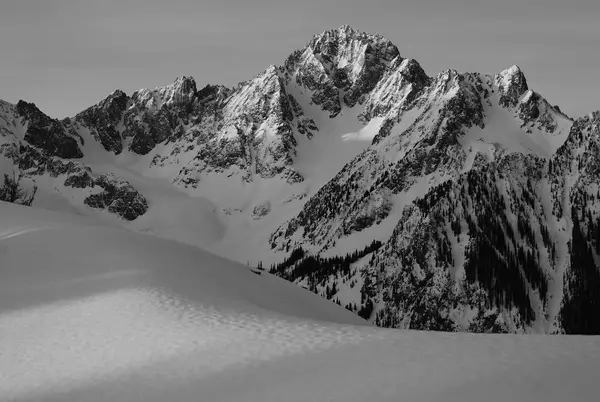
Peak season. Steady snowfall, resorts at full capacity, and the driest powder in the interior Rockies.

Spring (March - May)

Powder turns to corn. Most US resorts close by late April; high and Canadian areas run into May.

Summer (June - August)

Almost nothing open. Oregon's Mt. Hood keeps the continent's only lift-served summer skiing running.

Fall (September - November)

First storms hit the high country, with early-November openings in the northern and Canadian Rockies.

Watch & learn

Watch & learn, Western US & Canada
  • Vail ➳ Challenge ◈ | Full POV Run December 2025

    Shred Scout

    0
  • Is this the BEST ski resort in Utah? - Snowbird Powder Day 2024

    Bored Progression

    0
  • We Found Whistler’s Best Ski Runs

    Rise & Alpine

    0