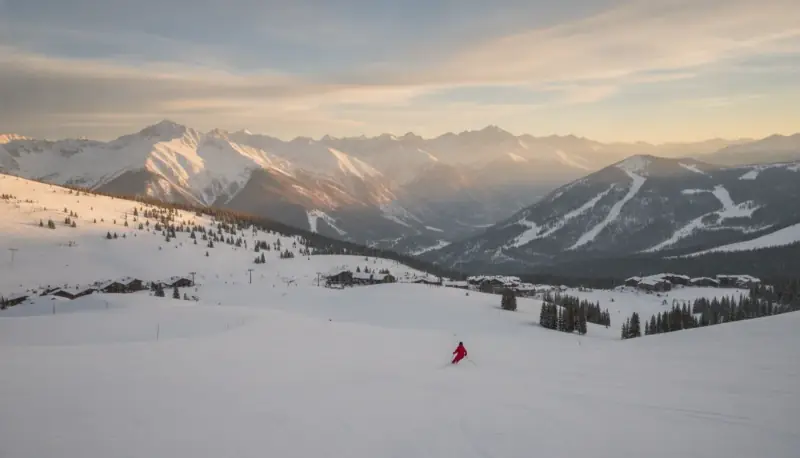
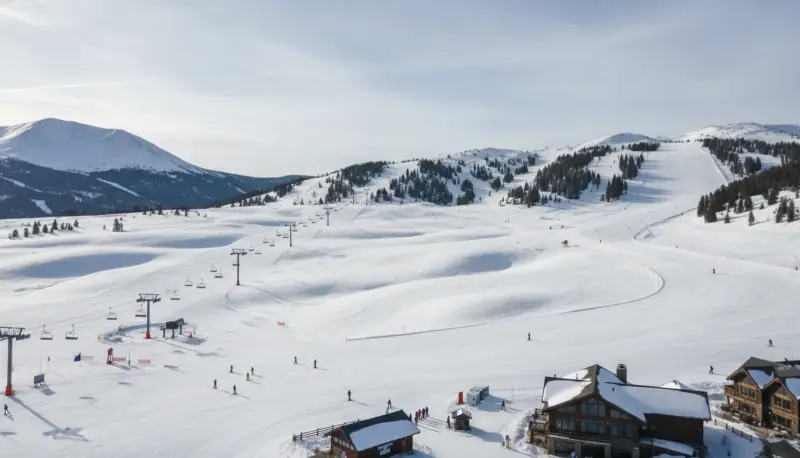
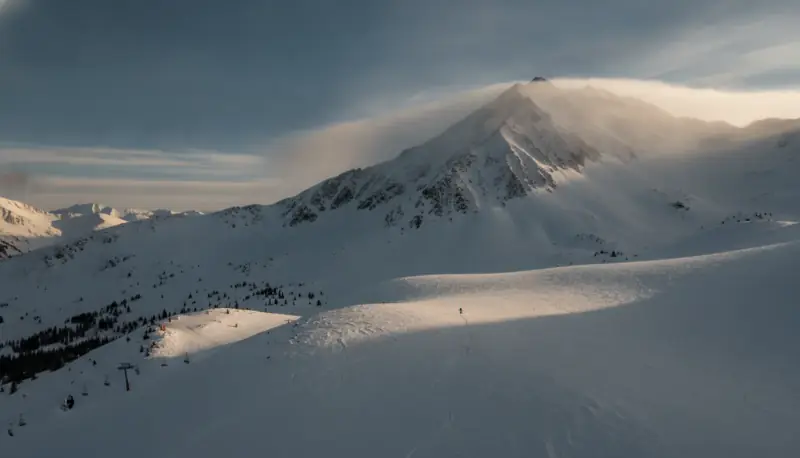
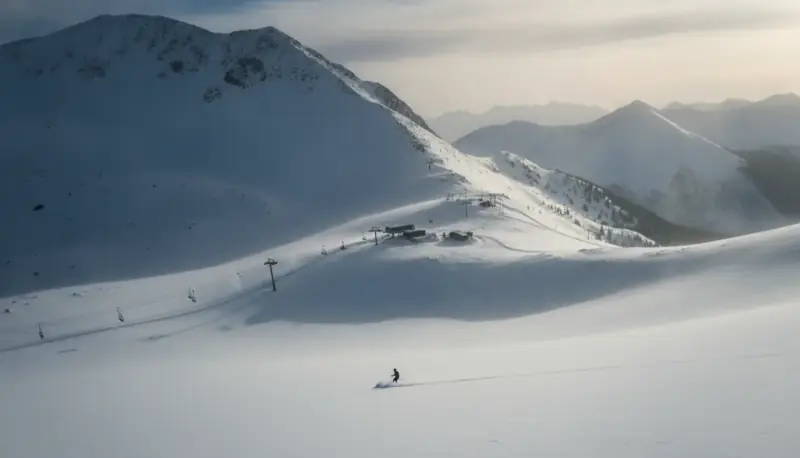
Most "best ski resort" lists are written for people who want a wide-open groomer and a hot tub. This one is not. If you already ski everything the average mountain throws at you and you're hunting for terrain that actually makes you think before you drop in, the calculus changes. You stop caring about vertical feet on a trail map and start caring about pitch, exposure, fall-line consistency, how the snow holds up on a north-facing chute three days after a storm, and whether the patrol will even open the gate today.
The best ski resorts for advanced skiers aren't the biggest ones. They're the ones with a high ratio of genuinely steep, sustained, consequential terrain, and a culture that keeps it ungroomed and gnarly instead of mowing it into intermediate cruisers. Here's how to think about it, and which mountains actually deliver.
What actually makes a resort "advanced"
Trail-map color coding is close to meaningless across resorts. A double-black at a family mountain in the Midwest is a blue square in the Tetons. So ignore the diamonds and evaluate four things instead.
Sustained pitch. A short steep roll into a runout is a photo op. What separates expert mountains is fall-line steepness that holds for hundreds of vertical feet without a flat to bail onto. That's where your legs and your nerve actually get tested.
Terrain that stays raw. The best expert terrain ski resorts make a deliberate choice not to groom their signature zones. Bumps form, chutes hold their character, and the snow surface punishes sloppy technique. Resorts that groom everything for "guest experience" quietly delete the hardest skiing on the hill.
Hike-to and gate-accessed zones. Lift-served backcountry (bootpacks, traverses, and avalanche-controlled gates), is the clearest signal a resort takes advanced skiers seriously. It's also where the consequences go up, which leads directly to the next point.
Snow quality at altitude and aspect. Steep skiing destinations live and die on what's underfoot. A continental snowpack (Colorado's interior, New Mexico) skis differently from an intermountain one (Utah's Wasatch, the Tetons) or a maritime one (Tahoe, the Pacific coast). Cold, dry, north-facing terrain holds soft snow longer; sun-baked chutes turn to concrete or slush fast.
The steep-and-deep tier: Utah and the Tetons
If you want the highest concentration of serious terrain per chairlift, start here.
Snowbird and Alta, Utah. Little Cottonwood Canyon is the benchmark. Snowbird's tram dumps you at the top of relentlessly steep, north-facing pitches, and the snow is famously dry and deep. Alta (skier-only, which keeps the lines honest), pairs huge tracts of expert terrain with a hiking culture that rewards anyone willing to traverse and bootpack. Together they are the easiest recommendation in American skiing for an advanced skier.
Jackson Hole, Wyoming. The aerial tram, the legend of Corbet's Couloir, and a mountain where the fall line just keeps going. Jackson's reputation is earned: there is more genuinely intimidating, exposed, lift-served terrain here than almost anywhere, plus extensive backcountry gates for those with the gear and knowledge to use them. It is steep from top to bottom, and it does not coddle.
These are the resorts where you can ski hard for a full week and never repeat your best run. They're also the ones where over-skiing your ability has real consequences, so pace the first day.
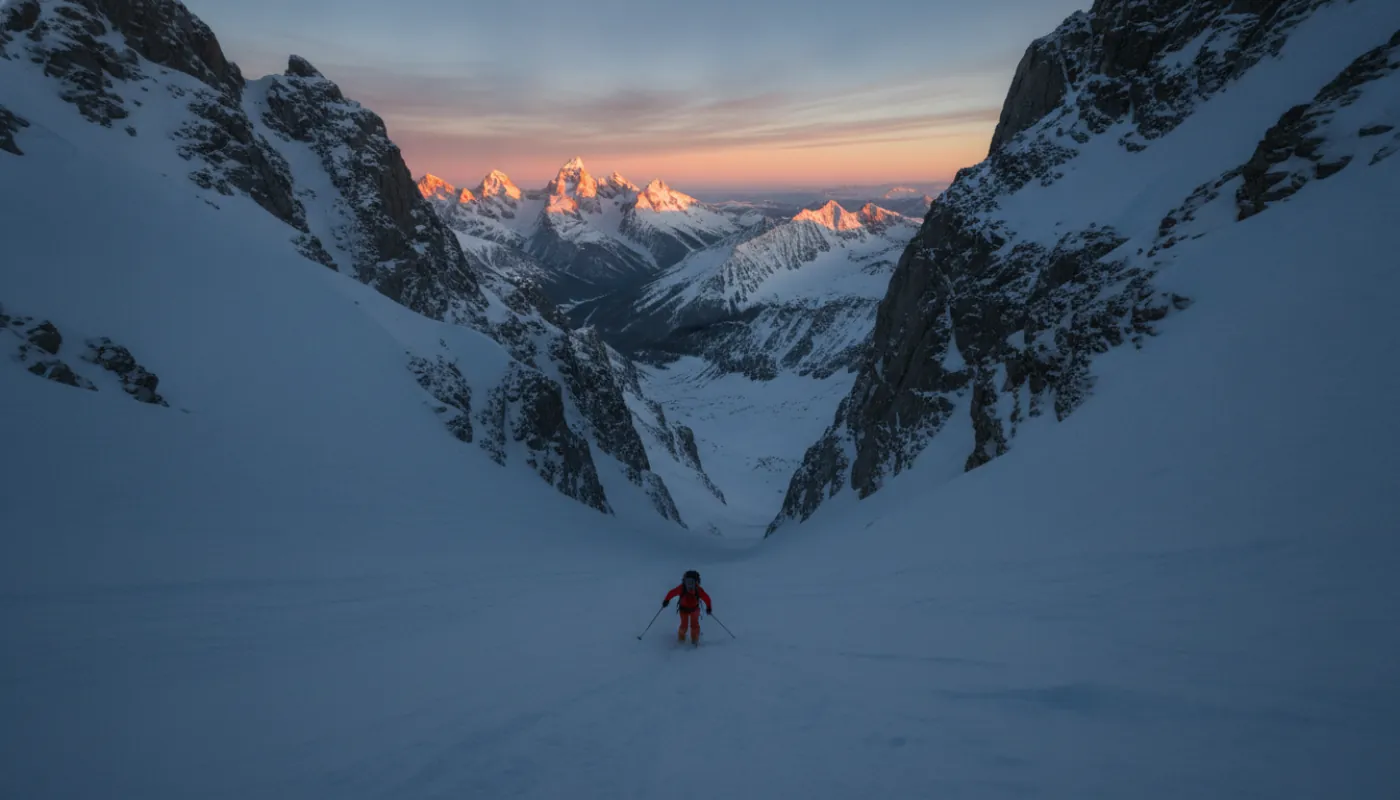
Colorado and New Mexico's expert mountains
Colorado is bigger than its mega-resort reputation. The advanced skiing hides in specific places.
Silverton Mountain, Colorado. The purest expert experience in the country. One double chair, no groomers, no green or blue runs, just unmaintained, avalanche-managed terrain. For much of the season you ski with a guide, a beacon, a shovel, and a probe, full stop. It is closer to lift-accessed backcountry than to a traditional resort, and that's exactly the point.
Telluride and Crested Butte, Colorado. Telluride's hike-to chutes off Gold Hill and the Palmyra zone are stout, exposed, and rewarding. Crested Butte built its identity on extreme terrain: the Headwall, the North Face, and a long tradition of leaving the scariest lines ungroomed. Both reward skiers who like to earn turns with a short hike.
Taos Ski Valley, New Mexico. Underrated outside the region. Taos has a steep, technical front side, serious ridge hikes, and a hike-to summit that opens consequential terrain. The vibe is old-school and demanding in the best way.
A quick comparison
Use this as a starting filter, not gospel. Conditions, openings, and your own tolerance for exposure matter more than any table.
| Resort | Standout for advanced skiers | Hike-to / gates | Snowpack |
|---|---|---|---|
| Snowbird, UT | Sustained steeps, deep dry snow | Yes | Intermountain |
| Alta, UT | Skier-only, vast expert tracts | Yes | Intermountain |
| Jackson Hole, WY | Exposed lift-served terrain | Extensive | Intermountain |
| Silverton, CO | All-expert, guided | Entire mountain | Continental |
| Crested Butte, CO | Extreme ungroomed faces | Yes | Continental |
| Taos, NM | Technical ridge hikes | Yes | Continental |
| Palisades Tahoe, CA | Big-mountain lines, KT-22 | Yes | Maritime |
| Big Sky, MT | Lone Peak couloirs | Yes (partner-required zones) | Intermountain |
California, Montana, and the maritime / big-mountain options
Palisades Tahoe, California. The KT-22 chair has launched more pro freeskiers than anywhere, and the terrain off it (steep spines, rocky entrances, committing lines), is why. Tahoe's maritime snowpack means heavier, wetter snow than Utah, but on a good storm cycle the big-mountain skiing here is world-class.
Big Sky, Montana. Lone Peak is the draw. The Big Couloir is the headline objective, and access is gated for good reason: you typically need a partner, a beacon, and a check-in with patrol before you drop. That's the kind of friction that signals real terrain. The rest of the peak's chutes and the Headwaters zone keep advanced skiers busy for days.
A note on the snow-climate tradeoff: continental snowpacks (Colorado's interior, New Mexico) give you lighter, colder snow but a thinner, more reactive avalanche profile, persistent weak layers that can stay touchy for weeks. Maritime snowpacks (Tahoe, the coast) give you heavier snow that consolidates faster. Utah's Wasatch and the northern Rockies (the Tetons, Big Sky) sit between the two as intermountain snow, deeper and quicker to stabilize than the interior, but not immune to its deep persistent problems. None is "safer", they just fail differently.
The East Coast caveat
Honest answer: if you want sustained steep terrain, the East is a step down from the West, and pretending otherwise helps no one. But there's one essential exception for advanced skiers.
Mad River Glen, Vermont. Skier-only, famously ungroomed, served by a single chair, with a "Ski It If You Can" ethos that is not marketing. The terrain is tight, technical, and rocky, and it rewards precise turning more than raw nerve. It's the closest the East comes to the old-school expert experience, and it's a genuinely worthwhile pilgrimage. Beyond it, look for the steepest natural-snow trails at the larger northern New England mountains and time your trips to storm cycles, because ice is the real adversary out East.
Skiing this terrain without getting hurt
Lift-served does not mean controlled-and-safe once you're past the rope. Gate-accessed and hike-to zones at every resort on this list carry avalanche risk, and "the resort opened it" is not the same as "it's safe for you, right now, on this aspect."
Before you commit to a steep-skiing trip:
- Read the local avalanche forecast every morning. The U.S. network is centralized at avalanche.org, which links to your regional center.
- Carry a beacon, shovel, and probe in any gated or hike-to terrain, and know how to use them, not just own them.
- Take a recognized avalanche course (AIARE 1 at minimum) before relying on your own judgment off-piste. A weekend of instruction changes how you read every slope.
- Ski with a partner in consequential terrain, and actually space out and watch each other.
- Match the resort to the conditions. A storm day at Snowbird and a refrozen day at Telluride are completely different sports.
If you're newer to consequential terrain and want a structured way to progress, from in-bounds steeps toward gate-accessed and eventually true backcountry, a clinic or guide is the fastest, safest path. Many of the best expert mountains run advanced and steep-skiing camps; it's worth building a season around one. You can browse resort profiles and plan a trip through our destinations directory, and if you guide or coach this terrain yourself, you can list your operation to reach skiers actively hunting for it.
The honest bottom line
The hardest ski resorts in America cluster in a handful of zones: Little Cottonwood Canyon, the Tetons, the San Juans and central Colorado, the Sierra, and the spine of Montana. If your goal is genuinely steep, sustained, double-black terrain, point yourself west and prioritize Snowbird, Alta, Jackson Hole, and Silverton first. Everything else on this list is a worthy trip; those four are the core of advanced skiing in the United States.
Then do the unglamorous work. Check the forecast, carry the gear, take the course, and ski with people who'll watch your back. The terrain rewards skill and punishes ego in equal measure. That's exactly why it's worth chasing.