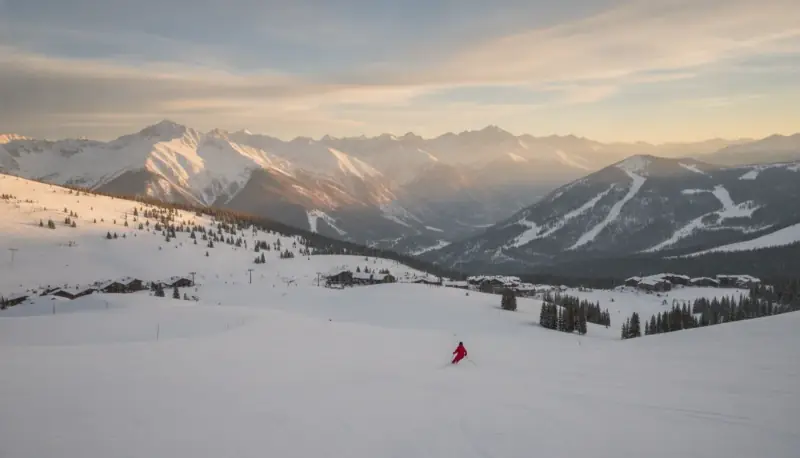
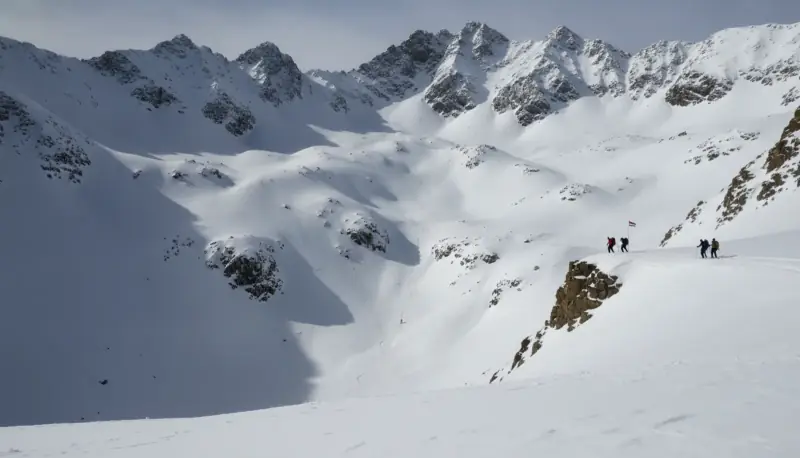
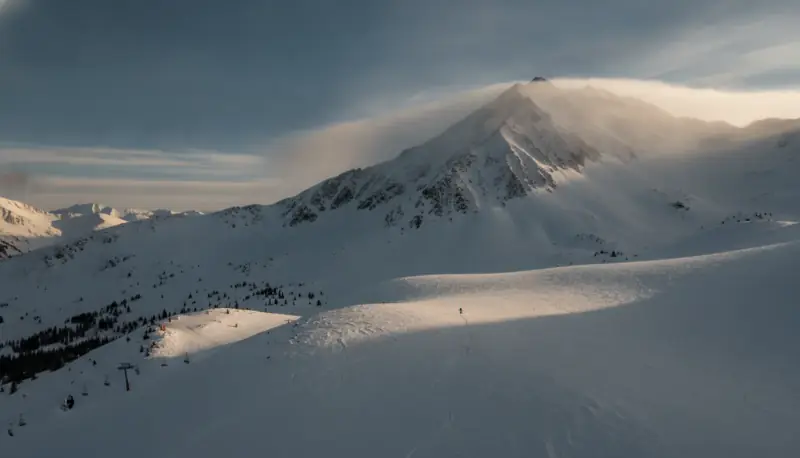
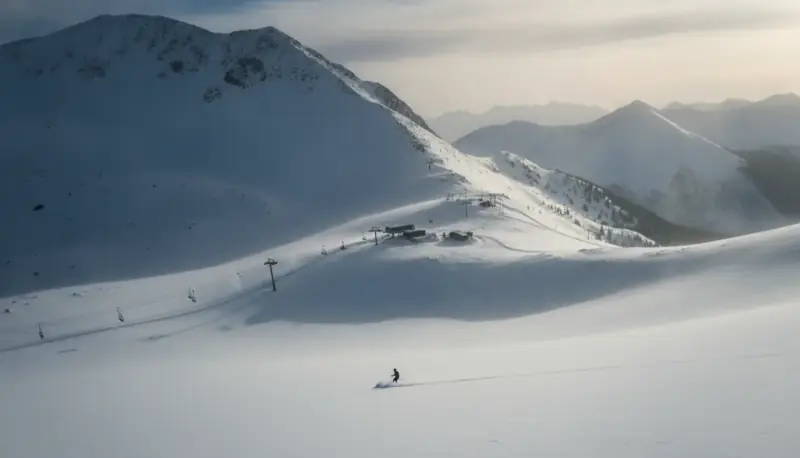
Choosing your first ski resort is one of the most important decisions in your early skiing career. The wrong mountain teaches bad habits and can kill your enthusiasm before you've mastered the fundamentals; the right one builds confidence through a natural progression of terrain that rewards your growing skills. A beginner-friendly resort isn't just one with green runs: it's a mountain deliberately designed with learners in mind, combining patient ski schools, terrain that forgives mistakes, long gentle slopes, and an overall culture that treats first-timers as valued guests, not inconveniences. The best beginner resorts across America share a common philosophy: they make the learning curve manageable by pairing smart mountain design with exceptional instruction.
What Makes a Ski Resort Beginner-Friendly
Not all mountains with green-circle runs are equally beginner-friendly. The terrain itself matters far more than the label. A genuinely beginner-friendly mountain has long, wide, consistently pitched runs that let you fall and recover without sliding into trees or off cliffs. The best resorts dedicate entire sides of the mountain to beginner terrain, so you're not sharing slopes with aggressive intermediates racing downhill. They also invest heavily in modern lift infrastructure on the learner zones, short, slow chairlifts and surface lifts that don't intimidate newcomers.
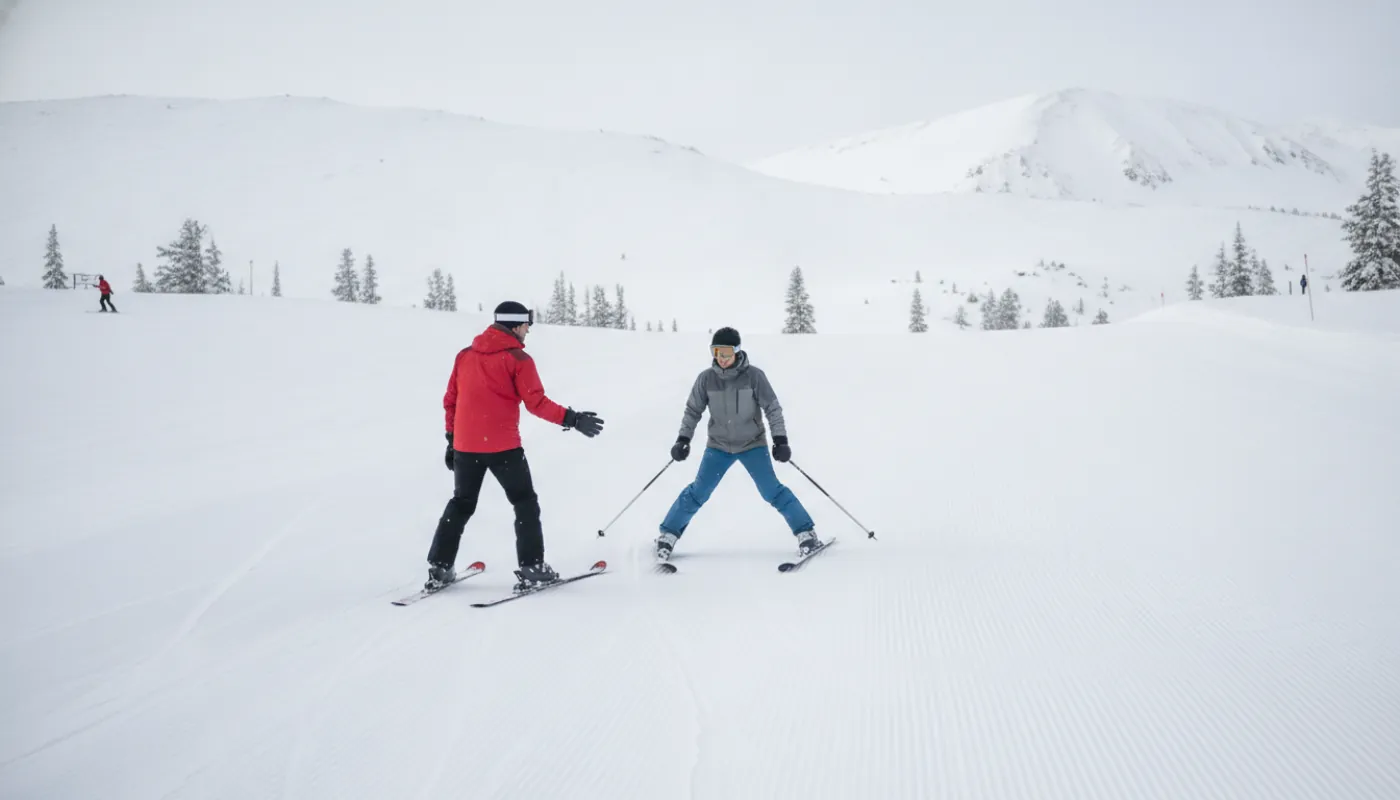
Beyond terrain, the quality of instruction and ski school culture is decisive. Beginner-focused resorts employ high-quality instructors who are actually passionate about teaching fundamentals, not just collecting paycheck hours between expert runs. They offer both group lessons at accessible prices and private instruction for targeted feedback. Modern lesson programs often use short video playback and metrics-based cues rather than vague coaching. The best mountains also run dedicated beginner terrain parks with wide, manageable features (bunny jumps, gentle rollers, small rails), so you can play and build confidence without committing to intimidating lines.
Regional Strength and Resort Character
The Colorado resorts strung along the Interstate 70 corridor west of Denver combine reliable snow, proximity to the city, and massive investment in beginner programming. These mountains are engineered with gentle, long pitches that let you carry speed without fear. Winter Park, reached from Denver over Berthoud Pass rather than on I-70 itself, stands out for its ski-school reputation and progressive lesson structure, with dedicated first-timer zones and a progression guarantee. The Rockies also offer consistent terrain, so your fundamentals build predictably as you practice.
Utah's Wasatch Front resorts deliver world-class powder and high-speed lift access near Salt Lake City. Beginner terrain here is thoughtfully separated from advanced runs, and many resorts offer multi-mountain season passes that let you rotate between venues without boredom. The snow is predictable and forgiving, a real advantage when learning edge control.
Northeast mountains in Vermont and the surrounding region attract families and eastern learners. These mountains tend to be smaller, with tighter terrain and earlier progression to steeper pitches. But their ski schools are battle-tested, culture is beginner-friendly, and tree skiing, once you progress, becomes a defining strength. Expect the learning curve to feel slightly steeper than the West, but the reward is faster skill development.
Choosing the Right Resort for Your Style and Goals
Your ideal beginner resort depends on what you value most. If learning speed matters most, pick a mountain with robust ski school infrastructure and long green terrain, this usually means heading west, where consistent pitch and forgiving runs let you progress rapidly. If confidence-building and fun matter more, choose a smaller, more beginner-dominated resort where you won't feel rushed and where mistakes feel less catastrophic.
Family dynamics matter significantly. Resorts with excellent kids' programs, warm basecamp areas, and nursery services let non-skiing partners or younger siblings stay comfortable while older learners take lessons. Many western resorts now offer childcare that extends into early evening, letting parents sneak in an advanced-beginner run while kids play safely. Budget constraints shift the calculus too. Group lessons range from around fifty dollars at small local hills to three hundred dollars or more per half-day at major destination resorts; smaller resorts often deliver tighter groups and more individualized attention despite lower rates. Factor lift-ticket costs as well, some beginner-friendly mountains offer discounted beginner-terrain-only tickets, letting you repeat runs endlessly without paying for mountain-wide access you can't use yet.
Your progression speed also matters. Natural athletes with good balance often advance out of true green-circle terrain in a week or two; a mountain with excellent green-to-blue progression keeps them engaged. If you progress methodically and prefer repetition, pick a resort with deep green terrain so your tenth visit feels like growth, not boredom.
Ski School Programs That Actually Work
The best beginner resorts have ski schools that understand progression psychology. Modern programs teach through short, repeating blocks, two to three consecutive days, because muscle memory builds on consistency, not sporadic lessons. They use video and real-time metrics to show you what you're actually doing versus what you think you're doing, a humbling but essential learning tool.
Look for ski schools that use small-group caps, four to six students per instructor, and that guarantee you'll meet an instructor before your lesson starts. Resorts offering beginner-specific group programs, sometimes called "never-ever" or "first-time" lessons, often use progression-based terrain designed specifically for day-one learners, not terrain that merely happens to have a green circle. Private instruction is worth budgeting for, at least for one or two sessions early on. The cost seems steep (typically two hundred dollars or more per hour, and full-day private lessons at destination resorts can run well past a thousand), but a skilled instructor accelerates learning by weeks and catches bad habits before they become permanent. Many top resorts run committed multi-day camps or progressive lesson packages at bundled rates, often including video analysis and equipment consultation. These programs also build community among learners, reducing the isolation new skiers sometimes feel.
Planning Your First Mountain Visit for Success
Before you book, call the resort's ski school directly and describe your situation, no experience, athletic background, physical limitations, anything relevant. Ask them to honestly recommend what they'd teach someone with your profile. Their answers reveal how seriously the resort takes beginner education. Pack conservatively for your first day. Expect to fall repeatedly, it's universal and harmless, so wear layers you can shed easily. Bring goggles that actually fit; cheap goggles fog and limit vision, adding stress to an already-stressed system. Rent skis, boots, and poles at the resort rather than traveling with your own gear; equipment needs shift constantly as you learn, and rental staff can help dial in proper fit.
Show up early, eat a hearty breakfast, and mentally prepare to move slowly and feel uncomfortable. Your first-day goal isn't distance or speed: it's feeling how skis behave, building balance awareness, and savoring moments when turns click naturally. You'll be tired. Second and third days are when real learning happens. Finally, accept that your first resort won't be your last. Pick a welcoming mountain close to home where you can return for your second, third, and tenth visits. That consistency builds comfort faster than chasing the "best" resort on your first attempt.